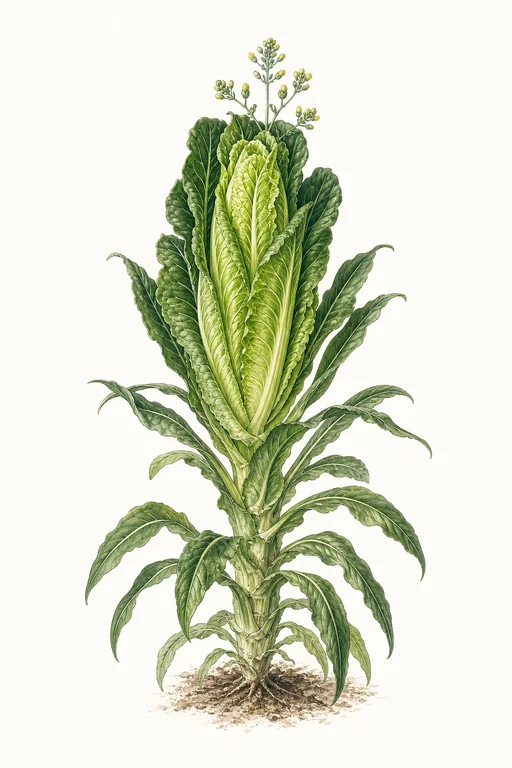
Kalura Cos
60d to harvest
Crisp as fresh-cut glass, Kalura Cos forms tall, elegant heads with a tender, sweet snap and a clean, lightly buttery flavor. The leaves are deep green and beautifully elongated, with a sturdy midrib that holds its shape for satisfying bite and effortless serving. Ideal for gardeners who want a reliable Romaine—excellent for fresh salads and also for grilling, braising, and vibrant sauces where its texture stays pleasantly crisp.
Crop Dates
Growing note: In frost-free Zone 13b, grow this cool-season crop during the cooler dry season (October–February).
| Milestone | Date |
|---|---|
| Start Indoors | — |
| Climate | Frost-Free Climate |
| Transplant / Sow Outdoors | Oct 1st |
| Harvest Begins | Nov 30th |
| Harvest Ends | Feb 28th |
Crop Details
| Trait | Value |
|---|---|
| Days to Maturity | 60 |
| Sun Requirements | Full Sun |
| Growth Habit | Rosette |
| Support Needed | None |
| Planting Depth | Surface |
| Germination Temp (°F) | 70 |
| Min Soil Temp (°F) | 40 |
| Min Night Temp (°F) | 32 |
| Harden Off (days) | 6 |
Recommended Companions
Frequently Asked Questions
What pest or disease most often affects Lactuca sativa (kalura cos), and how do I manage it?
Look for aphids and slugs on young leaves; aphids cluster on tender growth and slugs chew holes, especially in humid weather. Spray an insecticidal soap for aphids and hand-remove slugs at dusk, then reduce hiding spots by keeping the bed weed-free and lightly mulched but not soggy. Also watch for downy mildew/botrytis (gray mold): avoid wetting the leaves, water at the soil line, and space plants to improve airflow.
How often should I water kalura cos during its main growing phase?
During the 40–60 day main leaf-growth period, keep the soil consistently moist but not waterlogged—aim for about 1 inch (2.5 cm) per week total, adjusted for heat and soil type. Water deeply 2–3 times per week rather than frequent light sprinkling, and stop after heads are fully formed to reduce rot risk. If leaves wilt in the afternoon, increase watering frequency slightly while still maintaining good drainage.