
Syrian Oregano
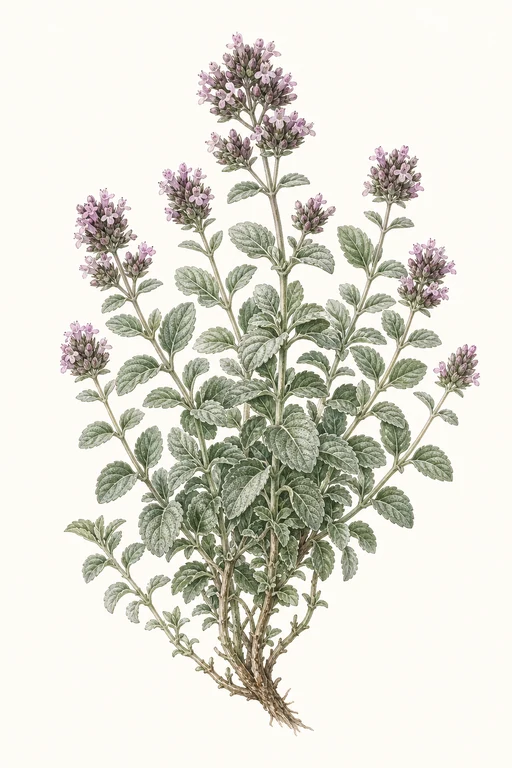
Fragrant as sun-warmed stone, Syrian Oregano unfurls with an intense, resinous herbal perfume that lingers on the fingertips. The leaves are small to medium and softly textured, with a cool, slightly peppery bite and a deep, savory oregano character that holds its charm from fresh sprigs to dried pinches. Grow it for a perennial harvest of aromatic foliage—ideal for seasoning blends, herb-forward sauces, and pickling brines where its bold, Mediterranean spirit shines.
Crop Dates
| Milestone | Date |
|---|---|
| Start Indoors | — |
| Climate | Frost-Free Climate |
| Transplant / Sow Outdoors | Oct 1st |
| Harvest Begins | Nov 30th |
| Harvest Ends | Feb 28th |
Crop Details
| Trait | Value |
|---|---|
| Days to Maturity | 60 |
| Sun Requirements | Full Sun |
| Growth Habit | Upright |
| Support Needed | None |
| Planting Depth | Surface |
| Germination Temp (°F) | 70 |
| Min Soil Temp (°F) | 50 |
| Min Night Temp (°F) | 35 |
| Harden Off (days) | 7 |
Recommended Companions


Frequently Asked Questions
Why are my Origanum syriacum plants wilting or getting brown spots, and what should I do?
How often should I water Syrian oregano during the main growing phase?
Fragrant as sun-warmed stone, Syrian Oregano unfurls with an intense, resinous herbal perfume that lingers on the fingertips. The leaves are small to medium and softly textured, with a cool, slightly peppery bite and a deep, savory oregano character that holds its charm from fresh sprigs to dried pinches. Grow it for a perennial harvest of aromatic foliage—ideal for seasoning blends, herb-forward sauces, and pickling brines where its bold, Mediterranean spirit shines.
Sowing Tips

Soil Temperature
Direct sow or transplant when soil at planting depth holds 50°F for reliable germination and early growth.
Expert Note

Start indoors in a warm, light area (or sow shallow directly) and harden off well so plants establish quickly before summer heat and early drought.