
Burgess Buttercup
Buttercup Squash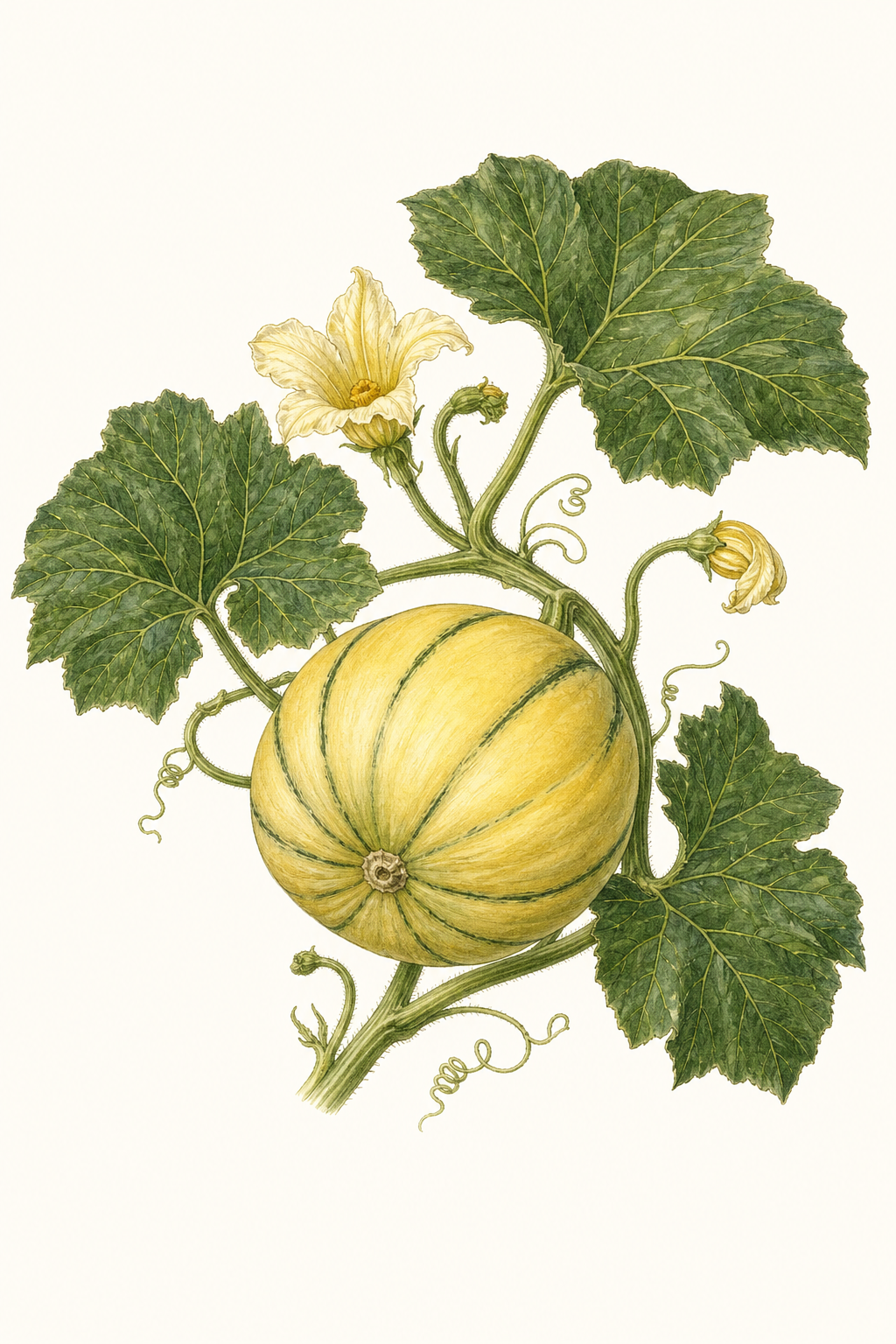
Silky-smooth, golden-orange flesh with a rich, sweet, nutty aroma defines Burgess Buttercup—its flavor turns especially inviting …
Crop Dates
| Milestone | Date |
|---|---|
| Start Indoors | May 18th |
| Last Frost | May 25th |
| Transplant / Sow Outdoors | Jun 1st |
| Harvest Begins | Sep 4th |
| Harvest Ends | Aug 29th |
Crop Details
| Trait | Value |
|---|---|
| Days to Maturity | 95 |
| Sun Requirements | Full Sun |
| Growth Habit | Vine |
| Support Needed | Trellis |
| Planting Depth | Normal |
| Germination Temp (°F) | 75 |
| Min Soil Temp (°F) | 65 |
| Min Night Temp (°F) | 55 |
| Harden Off (days) | 12 |
Recommended Companions
Frequently Asked Questions
Why are my Burgess Buttercup leaves yellowing and blotchy—could it be downy mildew, and what should I do?
How often should I water Burgess Buttercup during the main growing phase (vining and fruit set)?
How can I tell when my Burgess Buttercup is ready to harvest (about 95 days)?
Silky-smooth, golden-orange flesh with a rich, sweet, nutty aroma defines Burgess Buttercup—its flavor turns especially inviting as the squash develops full, even color. The fruits are compact and dependable, with tender, fine-grained texture that lends itself beautifully to roasting and hearty fall preparations, while also shining in creamy sauces and savory purées.
Sowing Tips

Transplant Conditions
Wait until soil reaches 65°F and nights stay above 55°F before moving outdoors. Harden off for 12 days first.

Direct Sow Preferred
Sensitive roots — does not transplant well. If starting indoors, use biodegradable pots and disturb roots as little as possible when moving outdoors.
Expert Note

Start outdoors after soil warms and nights are reliably mild; if starting indoors, use biodegradable pots and minimize root disturbance.