
Great Northern
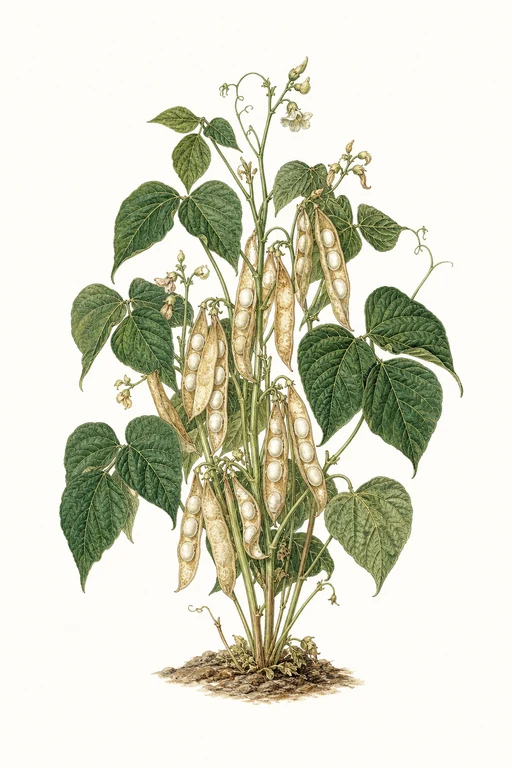
Aromatic, nutty-sweet dry beans with a clean, satisfying bite—Great Northern delivers a smooth, creamy interior when cooked and a refined, uniform look in the pot. The pods mature to a crisp, straw-dry finish, revealing plump, classic white beans that hold their shape beautifully for hearty staples. Grow Great Northern for reliable, home-garden harvests and a pantry-ready foundation for comforting favorites all season long.
Sowing Tips

Transplant Conditions
Wait until soil reaches 60°F and nights stay above 50°F before moving outdoors.
Expert Note

Plant Great Northern beans only after the soil is reliably warm and moisture is consistent at germination—beans dislike cold, wet ground.
Crop Dates
| Milestone | Date |
|---|---|
| Start Indoors | Direct Sow |
| Last Frost | May 25th |
| Transplant / Sow Outdoors | May 25th |
| Harvest Begins | Aug 23rd |
| Harvest Ends | Aug 29th |
Crop Details
| Trait | Value |
|---|---|
| Days to Maturity | 90 |
| Sun Requirements | Full Sun |
| Growth Habit | Bush |
| Support Needed | None |
| Planting Depth | Normal |
| Germination Temp (°F) | 70 |
| Min Soil Temp (°F) | 60 |
| Min Night Temp (°F) | 50 |
| Harden Off (days) | Not Required |
Recommended Companions


Frequently Asked Questions
What pest or disease commonly affects Phaseolus vulgaris (Great Northern beans), and how can I prevent it?
How often should I water Great Northern beans during the main growing phase (about flowering to pod fill)?
How do I know when Great Northern beans are ready to harvest (Phaseolus vulgaris)?
Sowing Tips
Transplant Conditions
Wait until soil reaches 60°F and nights stay above 50°F before moving outdoors.
Expert Note
Plant Great Northern beans only after the soil is reliably warm and moisture is consistent at germination—beans dislike cold, wet ground.
Aromatic, nutty-sweet dry beans with a clean, satisfying bite—Great Northern delivers a smooth, creamy interior when cooked and a refined, uniform look in the pot. The pods mature to a crisp, straw-dry finish, revealing plump, classic white beans that hold their shape beautifully for hearty staples. Grow Great Northern for reliable, home-garden harvests and a pantry-ready foundation for comforting favorites all season long.