
Mizuna
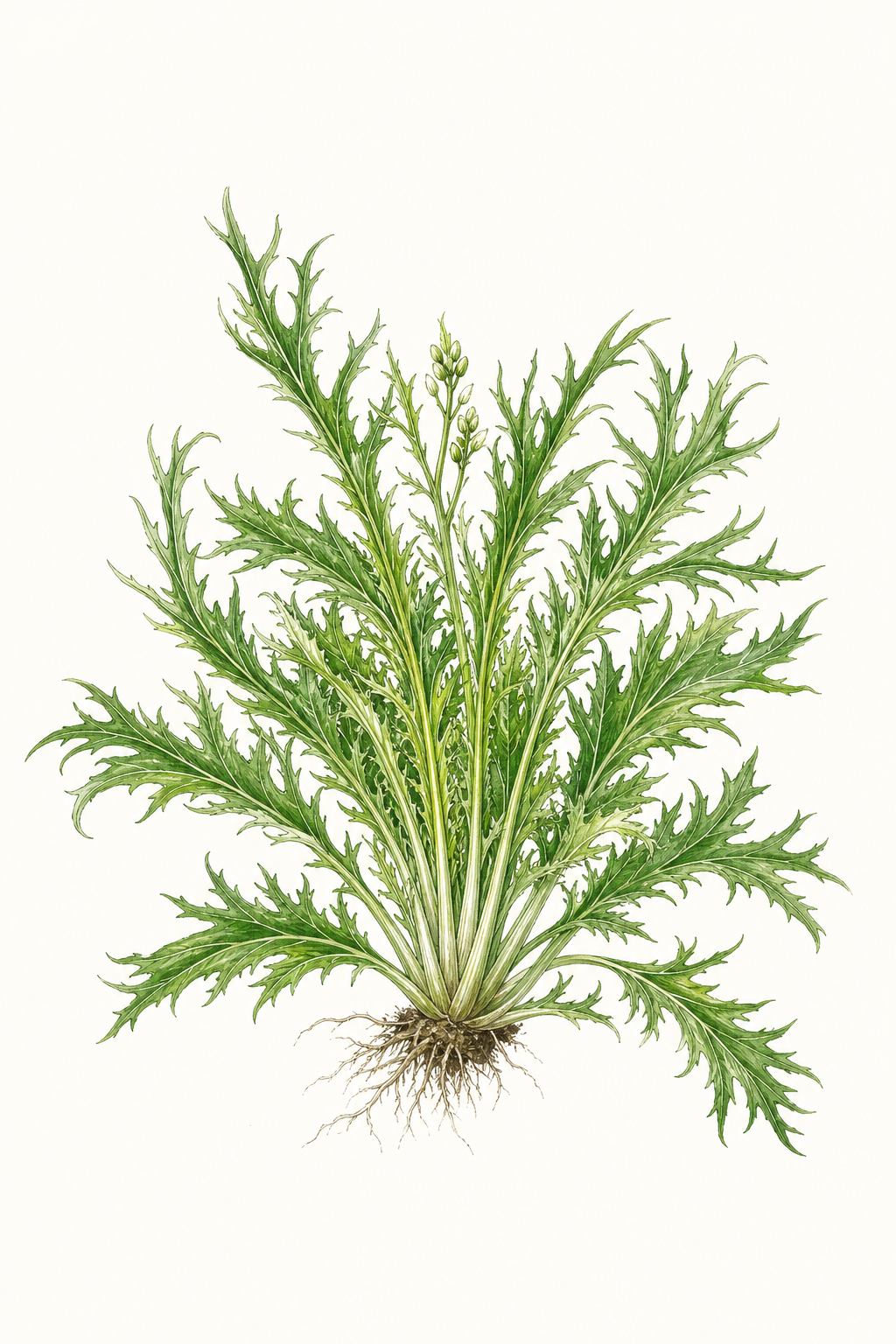
Tender mizuna arrives with a peppery, gently mustard-bright bite and a crisp, leafy snap that stays pleasantly lively in the bowl…
Crop Dates
| Milestone | Date |
|---|---|
| Start Indoors | Direct Sow |
| Last Frost | May 25th |
| Transplant / Sow Outdoors | May 25th |
| Harvest Begins | Jun 29th |
| Harvest Ends | Aug 29th |
Crop Details
| Trait | Value |
|---|---|
| Days to Maturity | 35 |
| Sun Requirements | Full Sun |
| Growth Habit | Rosette |
| Support Needed | None |
| Planting Depth | Normal |
| Germination Temp (°F) | 55 |
| Min Soil Temp (°F) | 40 |
| Min Night Temp (°F) | 28 |
| Harden Off (days) | Not Required |
Recommended Companions
Frequently Asked Questions
What pests commonly attack mizuna (Eruca vesicaria subsp. sativa) and how can I control them?
How often should I water mizuna during the main growing phase, and what soil moisture level should I maintain?
How do I know when mizuna is ready to harvest?
Tender mizuna arrives with a peppery, gently mustard-bright bite and a crisp, leafy snap that stays pleasantly lively in the bowl. The frilly, deeply cut leaves form an airy rosette that feels delicate yet resilient—ideal for quick harvests over a long cool-season window. Grow Mizuna for fresh salads and vibrant stir-ins, or let its lively flavor shine in quick sautés and savory greens blends.
Sowing Tips

Transplant Conditions
Wait until soil reaches 40°F and nights stay above 28°F before moving outdoors.
Expert Note

Sow or transplant mizuna for cool-weather growth (it’s happiest before and after frost, and can bolt in heat).