SproutSmart
SproutSmart Intelligent Garden Sowing

Cylindrical Beet

Beet
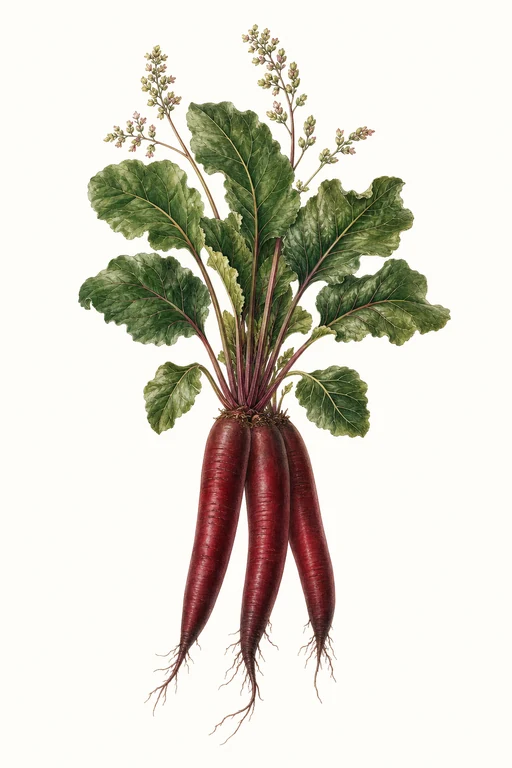
Botanical illustration of Cylindrical Beet
🌱 70d to harvest Taproot

Sweetly earthy and richly aromatic, Cylindrical Beet forms long, slender roots with a smooth, tender bite and a deep, jewel-toned…

Planting Schedule

Add Cylindrical Beet to your garden to build a schedule and get reminders.

Crop Dates

MilestoneDate
Start IndoorsDirect Sow
Last FrostMay 13th
Transplant / Sow OutdoorsMay 13th
Harvest BeginsJul 22nd
Harvest EndsSep 27th

Crop Details

TraitValue
Days to Maturity70
Sun RequirementsFull SunFull sun
Growth HabitTaproot
Support NeededNone
Planting DepthNormal
Germination Temp (°F)55
Min Soil Temp (°F)45
Min Night Temp (°F)28
Harden Off (days)Not Required

Frequently Asked Questions


What pest or disease commonly affects Beta vulgaris subsp. vulgaris (cylindrical beet), and how can I control it?
Cercospora leaf spot is a frequent problem on beet (Beta vulgaris), showing as small, tan centers with reddish-purple borders on older leaves. Remove and discard infected leaves, improve airflow between plants, and avoid overhead watering so foliage stays dry. If outbreaks keep spreading, treat with a copper-based fungicide labeled for edible beet leaves and follow the label rate and interval.
How often should I water cylindrical beet during the main growth phase?
During active root bulking (roughly after plants are established and until the last few weeks before harvest), keep soil consistently evenly moist, aiming for about 1 inch of water per week total (from rain plus irrigation). Water deeply when the top 1 inch of soil feels dry, then allow the surface to dry slightly between waterings to reduce leaf diseases. Avoid letting the soil swing from very dry to very wet, which can cause rough roots and reduced sweetness.
How do I tell when cylindrical beet (Beta vulgaris subsp. vulgaris) is ready to harvest?
Harvest when roots are about 1 to 2 inches thick and reach the expected length for your variety, typically around 70 days from sowing. The tops may look vigorous and the beet roots should feel firm rather than soft or elongated. If you leave them too long, they tend to become woody and less sweet—pull a test plant and adjust your harvest timing accordingly.
Botanical illustration of Cylindrical Beet

Sweetly earthy and richly aromatic, Cylindrical Beet forms long, slender roots with a smooth, tender bite and a deep, jewel-toned interior that stays beautifully even from tip to crown. Its upright, cylindrical shape makes for striking harvests and consistent slices, while the vivid color lends itself to bold, natural hues in any beet-forward preparation. Grow it for a garden-to-plate favorite that shines both freshly tender and fully developed at 70 days.

Sowing Tips

Transplant Conditions

Wait until soil reaches 45°F and nights stay above 28°F before moving outdoors.

Expert Note

For best cylindrical roots, sow in loose, stone-free soil and keep moisture steady until seedlings are established.