SproutSmart
SproutSmart Intelligent Garden Sowing

Dukat Dill

Dill
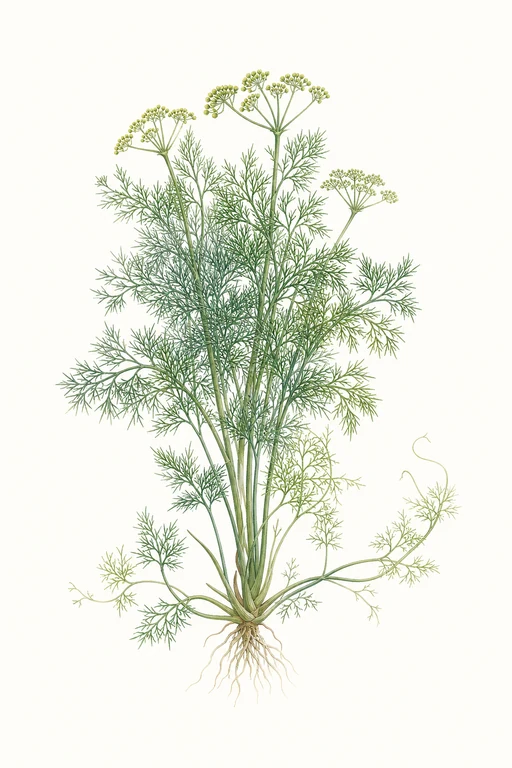
Botanical illustration of Dukat Dill
🌱 40d to harvest Upright

Aromatic and vivid from the first feathery fronds, Dukat Dill fills the garden with a fresh, sweet-anise fragrance and a clean, b…

Planting Schedule

Add Dukat Dill to your garden to build a schedule and get reminders.

Crop Dates

MilestoneDate
Start IndoorsDirect Sow
Last FrostMay 13th
Transplant / Sow OutdoorsMay 13th
Harvest BeginsJun 22nd
Harvest EndsSep 27th

Crop Details

TraitValue
Days to Maturity40
Sun RequirementsFull SunFull sun
Growth HabitUpright
Support NeededNone
Planting DepthSurface
Germination Temp (°F)70
Min Soil Temp (°F)60
Min Night Temp (°F)28
Harden Off (days)Not Required

Frequently Asked Questions


What pest or disease problem commonly affects Anethum graveolens (dill), and how can I manage it?
A common issue is powdery mildew, which shows up as a white, powdery coating on dill leaves during warm, humid weather. Remove the most affected leaves, improve airflow with wider spacing, and water at the base so foliage stays dry. If mildew keeps spreading, use a labeled horticultural fungicide and repeat according to the label until new growth stays clean.
How often should I water dill (Anethum graveolens) during the main growing phase?
During the active leaf-growing period (roughly weeks 2–6), keep the soil consistently moist but not soggy—typically about 1 inch of water per week depending on rainfall and heat. Water deeply when the top 1 inch of soil feels dry, and avoid frequent light sprinkling that keeps the surface wet and encourages mildew. In hot spells, you may need to water 2–3 times per week to maintain even moisture.
How do I tell when Dukat dill (Anethum graveolens) is ready to harvest?
Start harvesting leaves when plants are about 6–8 inches tall and leaves are feathery and abundant, usually around 40 days to maturity. For the best flavor, snip the newest, top growth in the morning, and keep harvesting frequently to encourage more leaf production. If you’re harvesting seed, wait until the flower umbels turn brown and the seeds look fully formed before cutting for drying.
Botanical illustration of Dukat Dill

Aromatic and vivid from the first feathery fronds, Dukat Dill fills the garden with a fresh, sweet-anise fragrance and a clean, bright flavor that lingers on the palate. Expect tender, finely divided foliage with a graceful, upright habit—ideal for harvesting repeatedly at peak softness around 40 days. Dukat Dill shines in classic uses like seasoning for pickles and brined vegetables, as well as fresh garnishing and stirring into sauces for an unmistakably crisp dill character.

Sowing Tips

Transplant Conditions

Wait until soil reaches 60°F and nights stay above 28°F before moving outdoors.

Expert Note

Sow dill directly outdoors (it hates root disturbance); for best flavor, harvest fronds often and let some plants flower for seeds/pickling.