
Giant Speckled Christmas Lima
Lima Bean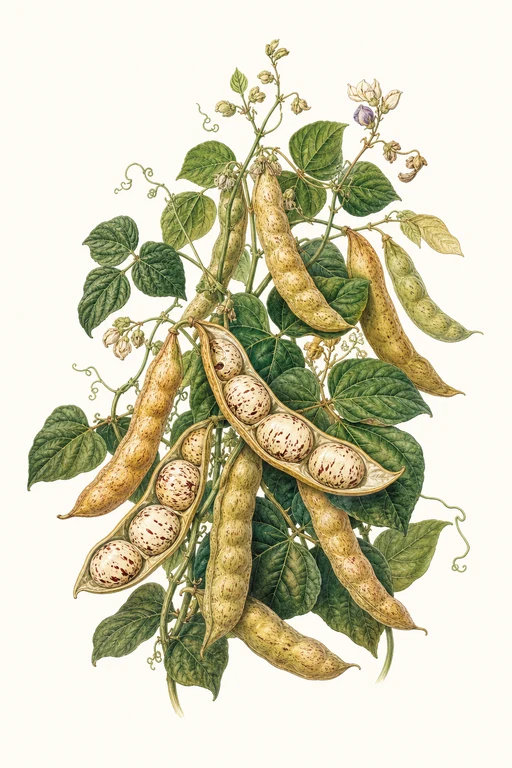
A true holiday showstopper, Giant Speckled Christmas Lima brings creamy, buttery flavor with a delightfully tender bite—each pod …
Crop Dates
| Milestone | Date |
|---|---|
| Start Indoors | Direct Sow |
| Last Frost | May 13th |
| Transplant / Sow Outdoors | Jun 3rd |
| Harvest Begins | Sep 1st |
| Harvest Ends | Sep 27th |
Crop Details
| Trait | Value |
|---|---|
| Days to Maturity | 90 |
| Sun Requirements | Full Sun |
| Growth Habit | Clumping |
| Support Needed | Trellis |
| Planting Depth | Normal |
| Germination Temp (°F) | 70 |
| Min Soil Temp (°F) | 60 |
| Min Night Temp (°F) | 55 |
| Harden Off (days) | Not Required |
Recommended Companions


Frequently Asked Questions
What pest or disease commonly affects Phaseolus lunatus (giant speckled Christmas lima beans), and how can I manage it?
How often should I water giant speckled Christmas lima beans during the main growing phase?
How do I know when Phaseolus lunatus is ready to harvest?
A true holiday showstopper, Giant Speckled Christmas Lima brings creamy, buttery flavor with a delightfully tender bite—each pod cradling large, speckled beans that feel rich and substantial. The texture is smooth and satisfying, ideal for hearty bean dishes where their gentle sweetness shines. Grow this standout for a bountiful harvest of striking, festive-looking beans that turn every spoonful into a seasonal treat.
Sowing Tips

Transplant Conditions
Wait until soil reaches 60°F and nights stay above 55°F before moving outdoors.
Expert Note

For lima beans, warm soil is everything—wait until nights are reliably warm and soil is well above 60°F, then sow deeply and keep moisture steady until germination.