SproutSmart
SproutSmart Intelligent Garden Sowing

Hera Dill

Dill
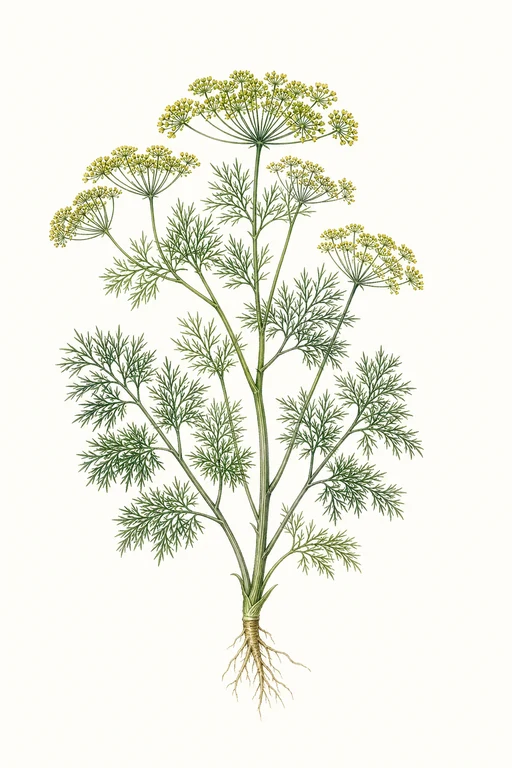
Botanical illustration of Hera Dill
🌱 60d to harvest Upright

Fragrant, feathery fronds of Hera Dill unfurl with a bright, cool-green glow and a distinctly aromatic, classic dill character th…

Planting Schedule

Add Hera Dill to your garden to build a schedule and get reminders.

Crop Dates

MilestoneDate
Start IndoorsDirect Sow
Last FrostMay 13th
Transplant / Sow OutdoorsMay 13th
Harvest BeginsJul 12th
Harvest EndsSep 27th

Crop Details

TraitValue
Days to Maturity60
Sun RequirementsFull SunFull sun
Growth HabitUpright
Support NeededNone
Planting DepthNormal
Germination Temp (°F)70
Min Soil Temp (°F)55
Min Night Temp (°F)40
Harden Off (days)Not Required

Frequently Asked Questions


What pest or disease commonly affects Anethum graveolens (dill), and how can I manage it?
Dill is prone to powdery mildew (white, dusty patches on leaves), especially in humid weather and dense growth. Improve airflow by thinning seedlings to about 6–8 in (15–20 cm) apart, and remove heavily infected leaves early. If mildew starts, spray with a potassium bicarbonate or horticultural sulfur product according to the label, repeating as directed until new growth stays clean.
How often should I water dill during peak growth to keep plants healthy?
During the main growth phase, keep soil evenly moist but not waterlogged—aim for about 1 in (2.5 cm) of water per week, adjusting for heat and rainfall. Water deeply when the top 1 in (2–3 cm) of soil feels dry, since Anethum graveolens roots dislike constant sogginess. In hot midsummer, you may need to water 2–3 times per week, especially in containers.
How do I know when Anethum graveolens is ready to harvest?
For leaf/“fronds,” harvest when plants are about 8–10 in tall and actively growing, usually starting around 35–45 days, and pick the outer leaves regularly to keep it producing. For seed, let the umbels fully mature—seed heads turn brown and feel firm, and seeds should release when gently rubbed, typically around 60 days. Cut seed heads early in dry weather and finish drying indoors on paper to prevent mold.
Botanical illustration of Hera Dill

Fragrant, feathery fronds of Hera Dill unfurl with a bright, cool-green glow and a distinctly aromatic, classic dill character that fills the garden air. The foliage is tender and finely divided, staying lush for fresh use and delivering a rich dill flavor that shines in pickling blends and herb-forward sauces. Sow for steady harvests around day 60—an easy, elegant way to keep your beds fragrant and your jars well-seasoned.

Sowing Tips

Transplant Conditions

Wait until soil reaches 55°F and nights stay above 40°F before moving outdoors.

Expert Note

For the longest fresh-dill harvest, sow in small batches every 2–3 weeks and keep plants evenly moist to delay bolting.