SproutSmart
SproutSmart Intelligent Garden Sowing

Igloo

Lettuce
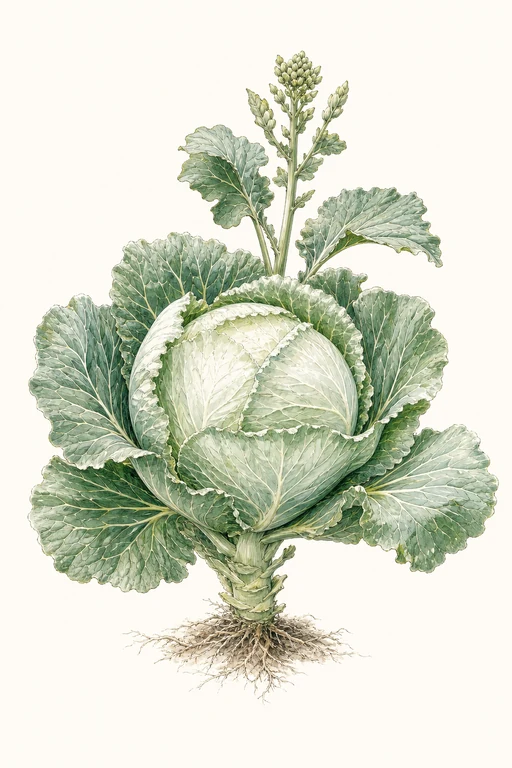
Botanical illustration of Igloo
🌱 70d to harvest Rosette

Cool, crisp crunch begins the moment you lift Igloo’s tight heads—lush, dense leaves unfurl in a pale green rosette with a clean,…

Planting Schedule

Add Igloo to your garden to build a schedule and get reminders.

Crop Dates

MilestoneDate
Start IndoorsApr 15th
Last FrostMay 13th
Transplant / Sow OutdoorsMay 13th
Harvest BeginsJul 22nd
Harvest EndsSep 27th

Crop Details

TraitValue
Days to Maturity70
Sun RequirementsFull SunFull sun
Growth HabitRosette
Support NeededNone
Planting DepthSurface
Germination Temp (°F)40
Min Soil Temp (°F)40
Min Night Temp (°F)32
Harden Off (days)6

Frequently Asked Questions


What’s the most common disease pest issue for Lactuca sativa (Iceberg-type lettuces) and how do I address it?
A frequent problem is downy mildew (often starting as yellow, water-soaked patches on lower leaves). Remove affected leaves immediately, improve airflow by spacing plants, and avoid wetting the foliage—water the soil at the base. If conditions stay cool and humid, consider using a labeled fungicide approved for lettuce and follow the label for reapplication intervals.
How often should I water Lactuca sativa during peak growth, and what soil moisture level should I keep?
During the main growing phase, keep the top 1–2 inches of soil consistently moist but not soggy to prevent bitterness and poor head development. In typical home gardens, this often means watering about 1–2 times per week, increasing to more frequent watering during dry spells or heat. Aim for deep, slow watering so moisture reaches the root zone, and stop short of waterlogging (which can trigger rot and mildew).
How can I tell when my Lactuca sativa (Iceberg-type) is ready to harvest?
Harvest when heads feel firm and compact and the inner leaves don’t easily spring loose when you gently squeeze the head. For most iceberg-type lettuces, this is around 70 days from sowing/transplanting, but use firmness as the final trigger rather than the calendar alone. Cut the head at the base early in the day for best crispness.
Botanical illustration of Igloo

Cool, crisp crunch begins the moment you lift Igloo’s tight heads—lush, dense leaves unfurl in a pale green rosette with a clean, refreshing bite. The texture is notably sturdy and glassy, holding its snap through harvest and keeping, while the flavor stays sweet and mild. Ideal for crisphead gardeners who want dependable, uniform heads at about 70 days, Igloo shines in fresh salads and bright, chilled presentations.

Sowing Tips

Transplant Conditions

Wait until soil reaches 40°F and nights stay above 32°F before moving outdoors. Harden off for 6 days first.

Expert Note

For crisp heads, keep soil evenly moist and avoid heat buildup—start earlier for spring harvest and use shade/cloches if nights warm.