
Honey Bee Blue
Anise Hyssop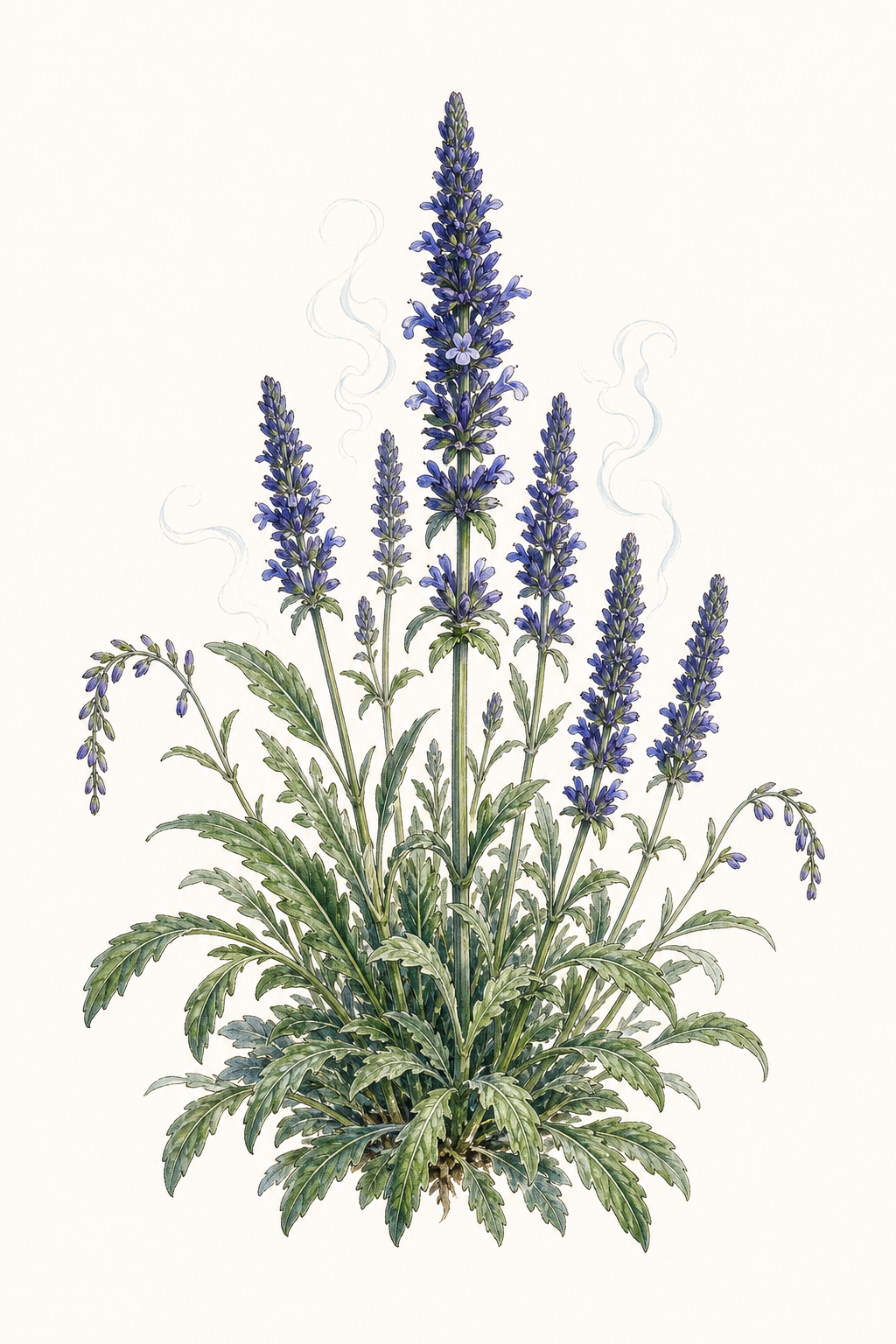
Honey Bee Blue opens with a heady, honeyed anise fragrance that rises from velvety, lance-shaped foliage and lingers in the garde…
Crop Dates
| Milestone | Date |
|---|---|
| Start Indoors | Mar 14th |
| Last Frost | Apr 25th |
| Transplant / Sow Outdoors | Jun 6th |
| Harvest Begins | Aug 15th |
| Harvest Ends | Oct 16th |
Crop Details
| Trait | Value |
|---|---|
| Days to Maturity | 70 |
| Sun Requirements | Full Sun |
| Growth Habit | Upright |
| Support Needed | None |
| Planting Depth | Normal |
| Germination Temp (°F) | 70 |
| Min Soil Temp (°F) | 60 |
| Min Night Temp (°F) | 35 |
| Harden Off (days) | 7 |
Recommended Companions
Frequently Asked Questions
Agastache foeniculum (Honey Bee Blue) has black, wilting stems—what pest or disease is most likely and how do I fix it?
How often should I water Agastache foeniculum during active growth so it thrives without rotting?
How can I tell when Honey Bee Blue (Agastache foeniculum) is ready to harvest at about 70 days?
Honey Bee Blue opens with a heady, honeyed anise fragrance that rises from velvety, lance-shaped foliage and lingers in the garden air. At maturity, it forms a graceful mound of deep blue-purple flower spikes, rich in nectar and irresistible to pollinators—perfect for fresh bouquets and aromatic drying. Grow Honey Bee Blue for its bold licorice-cool flavor profile and its ability to elevate teas, syrups, and fragrant infusions with a clean, lingering sweetness.
Sowing Tips

Transplant Conditions
Wait until soil reaches 60°F and nights stay above 35°F before moving outdoors. Harden off for 7 days first.
Expert Note

Start seeds indoors early, keep them lightly moist (not soggy), then transplant after nights stay reliably mild to avoid slow growth.