SproutSmart
SproutSmart Intelligent Garden Sowing

Rose Rhapsody

Salvia
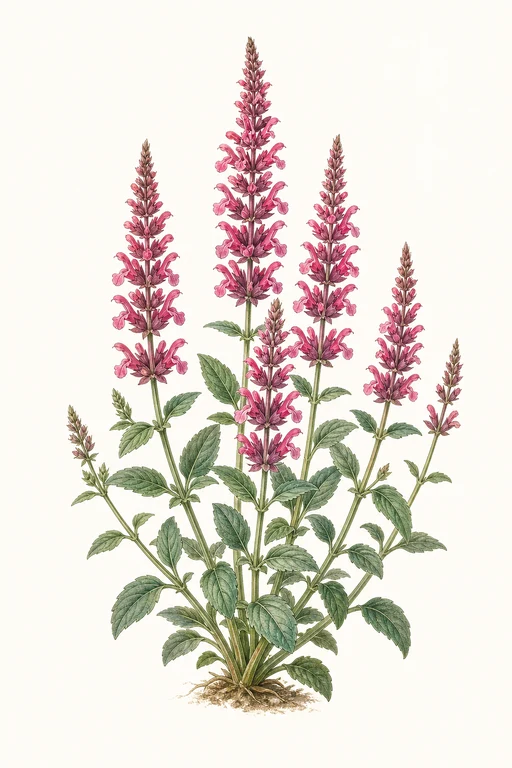
Botanical illustration of Rose Rhapsody
🌱 90d to harvest Upright

A velvet wave of rose-tinged blooms—soft as a dusk-colored ribbon—makes Rose Rhapsody a showstopper in the garden. Expect a refin…

Planting Schedule

Add Rose Rhapsody to your garden to build a schedule and get reminders.

Crop Dates

MilestoneDate
Start IndoorsDirect Sow
Last FrostApr 25th
Transplant / Sow OutdoorsApr 25th
Harvest BeginsJul 24th
Harvest EndsOct 16th

Crop Details

TraitValue
Days to Maturity90
Sun RequirementsFull SunFull sun
Growth HabitUpright
Support NeededNone
Planting DepthSurface
Germination Temp (°F)70
Min Soil Temp (°F)60
Min Night Temp (°F)50
Harden Off (days)Not Required

Frequently Asked Questions


What pest or disease commonly affects Salvia pratensis (meadow sage), and how can I treat it at home?
Watch for powdery mildew, which shows up as a white-gray coating on leaves in warm, humid weather or when plants stay too crowded. Improve airflow by thinning and spacing plants, then water at the base in the morning and remove heavily infected leaves. If mildew persists, apply a horticultural fungicide labeled for powdery mildew on ornamentals and repeat as directed on the label.
How often should I water Salvia pratensis during the main growing phase?
During active growth, water when the top 1 inch of soil dries out, typically about 1–2 times per week depending on heat and soil drainage. Aim for deep, soaking watering that reaches the root zone, then let the soil dry slightly again—meadow sage will tolerate short dry spells but struggles with consistently wet soil.
How do I know when Salvia pratensis is ready to harvest (for dried flowers or seed)?
If harvesting flowers for drying, cut when the blooms are fully open and the first flush is at peak color (often around day ~90). For seed, leave flower stalks on the plant until they turn tan-brown and the small seeds are dry; then harvest before heavy shattering and dry the seed heads further in a well-ventilated area.
Botanical illustration of Rose Rhapsody

A velvet wave of rose-tinged blooms—soft as a dusk-colored ribbon—makes Rose Rhapsody a showstopper in the garden. Expect a refined, upright habit with fragrant, nectar-rich flower spikes that hold their color and texture through long stretches of summer, turning every planting into a living bouquet. Ideal for borders and pollinator gardens, Rose Rhapsody shines as a perennial centerpiece—steady, elegant, and endlessly captivating in bloom.

Sowing Tips

Transplant Conditions

Wait until soil reaches 60°F and nights stay above 50°F before moving outdoors.

Expert Note

Sow lightly (surface sow if starting from seed), keep evenly moist until sprouting, and transplant only after the soil is consistently warm for best establishment.