SproutSmart
SproutSmart Intelligent Garden Sowing

Sea Shells

Cosmos
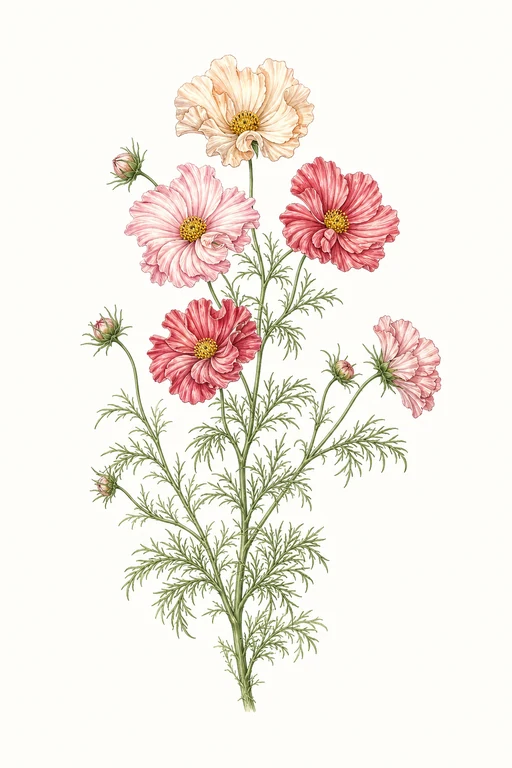
Botanical illustration of Sea Shells
🌱 60d to harvest Upright

Feathery, seashell-like petals unfurl in a soft, airy bloom that seems to glow in the sun—Sea Shells Cosmos is a delight for the …

Planting Schedule

Add Sea Shells to your garden to build a schedule and get reminders.

Crop Dates

MilestoneDate
Start IndoorsDirect Sow
Last FrostApr 25th
Transplant / Sow OutdoorsApr 25th
Harvest BeginsJun 24th
Harvest EndsOct 16th

Crop Details

TraitValue
Days to Maturity60
Sun RequirementsFull SunFull sun
Growth HabitUpright
Support NeededNone
Planting DepthNormal
Germination Temp (°F)75
Min Soil Temp (°F)60
Min Night Temp (°F)50
Harden Off (days)Not Required

Frequently Asked Questions


What pest or disease most commonly affects Cosmos bipinnatus (“Sea Shells”), and how do I treat it at home?
Cosmos bipinnatus is often hit by powdery mildew in warm, humid weather and when plants are crowded. Improve airflow by thinning seedlings to about 12–18 in (30–45 cm) apart, watering at the soil line, and removing any heavily dusted leaves. If mildew keeps spreading, spray a potassium bicarbonate or horticultural wettable sulfur product according to the label and avoid overhead watering for several weeks.
How often should I water Cosmos bipinnatus during peak growth (around weeks 3–8)?
During active growth, keep the soil evenly moist but not soggy—water when the top 1 in (2–3 cm) of soil feels dry. For most home beds, that’s roughly 1–2 times per week depending on heat, with deeper soaking so roots develop rather than frequent light watering. Once established and flowering, let the soil dry slightly between waterings to reduce mildew risk.
How can I tell when to harvest Cosmos bipinnatus (“Sea Shells”) for best blooms?
Harvest when the flower heads are fully open and the petals are crisp, with pollen visible in the center but without browning and shriveled petals. For the longest vase life, cut in the morning on days when plants are dry, leaving several sets of foliage for continued branching and more blooms. Cosmos doesn’t “finish” like a vegetable—keep harvesting every few days once it starts flowering (about 60 days to first maturity), and stop only when blooming slows.
Botanical illustration of Sea Shells

Feathery, seashell-like petals unfurl in a soft, airy bloom that seems to glow in the sun—Sea Shells Cosmos is a delight for the senses from first bud to full show. Expect a light, crisp texture with ruffled, shell-formed florets and a graceful, upright habit that makes every stem feel like a fresh bouquet-ready treasure. Grow for long-lasting cut stems and pollinator-friendly color that draws butterflies and beneficial insects all season long.

Sowing Tips

Transplant Conditions

Wait until soil reaches 60°F and nights stay above 50°F before moving outdoors.

Expert Note

Sow cosmos after frost danger passes and keep the plants in full sun for the most abundant, long-lasting blooms.