SproutSmart
SproutSmart Intelligent Garden Sowing

Lolla Bionda

Lettuce

Planting Schedule

Add Lolla Bionda to your garden to build a schedule and get reminders.
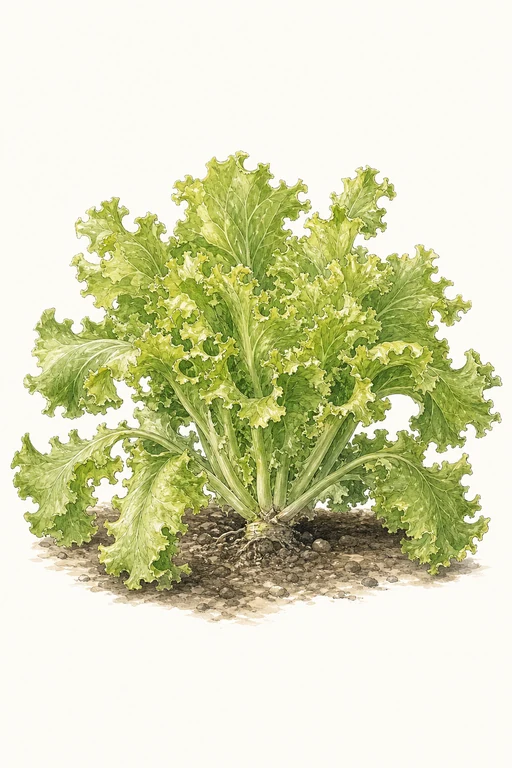
Botanical illustration of Lolla Bionda
45d to harvest

Sweetly fragrant and buttery in the mouth, Lolla Bionda forms airy, ruffled leaves with a luminous, spring-green glow. Its loose rosette is tender yet crisp, offering a gentle crunch that stays pleasantly fresh from garden to bowl. Grow Lolla Bionda for salads and quick tosses, or let its delicate leaves shine in herb-forward mixes and bright, creamy dressings.

Crop Dates

MilestoneDate
Start IndoorsDirect Sow
Last FrostApr 20th
Transplant / Sow OutdoorsApr 20th
Harvest BeginsJun 4th
Harvest EndsOct 20th

Crop Details

TraitValue
Days to Maturity45
Sun RequirementsPart SunPartial sun
Growth HabitRosette
Support NeededNone
Planting DepthNormal
Germination Temp (°F)70
Min Soil Temp (°F)40
Min Night Temp (°F)35
Harden Off (days)5

Frequently Asked Questions


What pest or disease most commonly affects Lactuca sativa (lettuce), and what should I do if I see it?
In Lactuca sativa, downy mildew and leaf spots often show up in cool, damp conditions, and slugs also commonly damage tender leaves. Remove and discard infected leaves immediately, improve airflow by spacing plants, and avoid wetting foliage when watering; if mildew persists, use a labeled fungicide suitable for leafy vegetables. For slugs, hand-pick at dusk and use a physical barrier (like copper tape or diatomaceous earth) around beds to protect the bases of plants.
How often should I water Lactuca sativa during the main growing phase?
During the main growth period (from about 2 weeks after transplanting to harvest), keep the soil consistently evenly moist, not waterlogged. Water about 1–2 times per week depending on heat, aiming for roughly 1 inch (2.5 cm) of water each time, and check moisture by pressing a finger into the soil 1 inch down—if it’s dry, water. Avoid frequent light sprinkles; lettuce roots prefer deeper, steady moisture to prevent bitter leaves and stress.
Botanical illustration of Lolla Bionda

Sweetly fragrant and buttery in the mouth, Lolla Bionda forms airy, ruffled leaves with a luminous, spring-green glow. Its loose rosette is tender yet crisp, offering a gentle crunch that stays pleasantly fresh from garden to bowl. Grow Lolla Bionda for salads and quick tosses, or let its delicate leaves shine in herb-forward mixes and bright, creamy dressings.