SproutSmart
SproutSmart Intelligent Garden Sowing

Cherokee

Lettuce
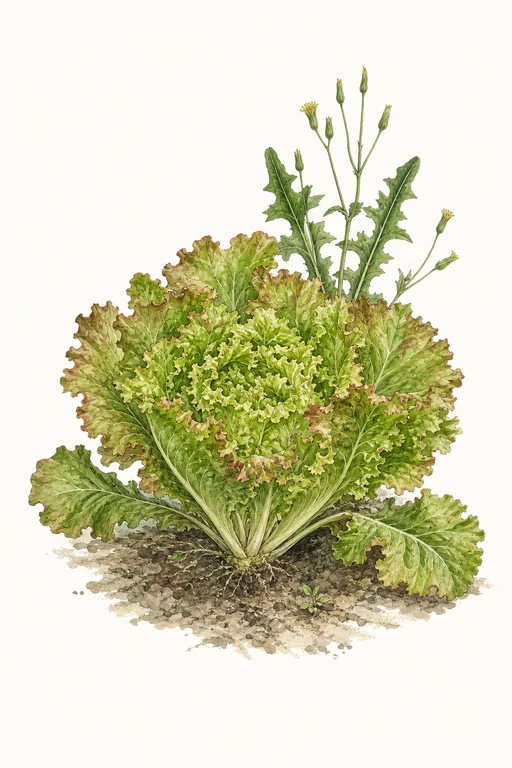
Botanical illustration of Cherokee
🌱 60d to harvest Rosette

Sink your senses into Cherokee’s crisp, cool crunch—heads form with a lush, inviting texture and a fresh, gently sweet flavor tha…

Planting Schedule

Add Cherokee to your garden to build a schedule and get reminders.

Crop Dates

MilestoneDate
Start IndoorsDirect Sow
Last FrostMar 6th
Transplant / Sow OutdoorsMar 6th
Harvest BeginsMay 5th
Harvest EndsNov 26th

Crop Details

TraitValue
Days to Maturity60
Sun RequirementsPart SunPartial sun
Growth HabitRosette
Support NeededNone
Planting DepthNormal
Germination Temp (°F)70
Min Soil Temp (°F)40
Min Night Temp (°F)35
Harden Off (days)5

Frequently Asked Questions


What pest or disease commonly affects Lactuca sativa (leaf lettuce) like “Cherokee,” and how do I manage it?
Watch for aphids and slugs on tender leaves—aphids cluster on new growth, while slugs chew irregular holes at night. Rinse aphids off with a strong jet of water and release ladybugs or use insecticidal soap (especially on underside leaf surfaces). For slugs, set beer traps or use copper tape around beds and remove debris where slugs hide to reduce repeat damage.
How often should I water Lactuca sativa during the main growing phase?
During active leaf production, keep the root zone evenly moist but not soggy—aim for top 1 inch of soil to stay consistently damp. In typical home gardens, that often means watering about 1–2 times per week, increasing to 2–3 times during hot, drying weather. If lettuce wilts midday and perks up in the evening, water frequency is too low; if leaves stay limp and soil smells sour, you’re likely overwatering.
How can I tell when Cherokee leaf lettuce (Lactuca sativa) is ready to harvest?
Begin harvesting at around day 45 for baby leaves, and at about day 60 for fully sized leaves. Pick outer leaves when they are firm and reach the size you want, leaving the center to regrow for multiple harvests. Stop harvesting whole plants if you see early bolting signs (rapid stem elongation and bitter-tasting leaves), because quality drops quickly.
Botanical illustration of Cherokee

Sink your senses into Cherokee’s crisp, cool crunch—heads form with a lush, inviting texture and a fresh, gently sweet flavor that feels bright from the first bite. Batavian style brings a satisfying firmness with ruffled, tender leaves that hold their shape beautifully, making Cherokee a standout for garden-to-table freshness and quick, vibrant salads.

Sowing Tips

Transplant Conditions

Wait until soil reaches 40°F and nights stay above 35°F before moving outdoors. Harden off for 5 days first.

Expert Note

For Cherokee Summer Crisp, prioritize consistent moisture and sow/transplant when nights are at least cool-tolerant (avoid prolonged heat spikes by using shade cloth during the hottest weeks).