SproutSmart
SproutSmart Intelligent Garden Sowing

Norkotah

Potato
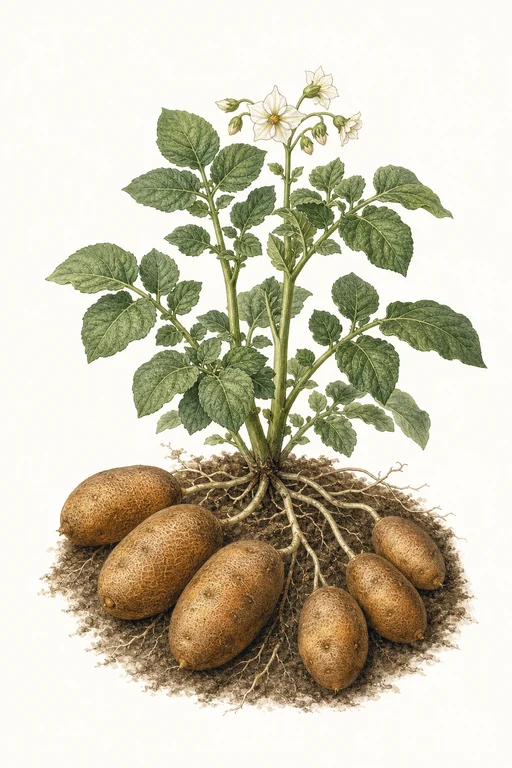
Botanical illustration of Norkotah
🌱 100d to harvest Mounding

Earthy, deeply satisfying flavor comes wrapped in Norkotah’s classic russet character—an earthy, nutty richness with a dry, fluff…

Planting Schedule

Add Norkotah to your garden to build a schedule and get reminders.

Crop Dates

MilestoneDate
Start IndoorsDirect Sow
Last FrostMar 6th
Transplant / Sow OutdoorsMar 6th
Harvest BeginsJun 14th
Harvest EndsNov 26th

Crop Details

TraitValue
Days to Maturity100
Sun RequirementsFull SunFull sun
Growth HabitMounding
Support NeededNone
Planting DepthNormal
Germination Temp (°F)70
Min Soil Temp (°F)45
Min Night Temp (°F)35
Harden Off (days)Not Required

Frequently Asked Questions


What pest or disease is most likely to hit Solanum tuberosum (potato), and what should I do first?
Watch for late blight (water-soaked leaf spots that quickly turn brown/black), especially in cool, humid weather. Remove and destroy infected tops right away and avoid overhead watering; then spray a labeled fungicide for potatoes according to the product directions and local label timing (often repeated at 5–7 day intervals during risk periods). Also improve airflow by spacing plants and hilling promptly so tubers stay covered and foliage dries faster.
How often should I water Solanum tuberosum during its main growing phase?
From sprouting through bulking (roughly midseason), keep soil consistently moist but not waterlogged—aim for about 1–2 inches (2.5–5 cm) of water per week total from rainfall plus irrigation. Water deeply when the top 1 inch (2–3 cm) of soil feels dry, because steady moisture helps tubers size up. Stop regular watering once foliage begins to yellow near maturity so skins firm and disease risk drops.
How can I tell when Norkotah/solanum tuberosum is ready to harvest after ~100 days?
Harvest when plants’ tops have largely died back and the skins of a test tuber hold firm when gently rubbed (they shouldn’t scrape off easily). Dig carefully with a fork to avoid bruising, then cure in a cool, dark, well-ventilated spot for about 1–2 weeks before storage to toughen skins. For best eating quality, harvest slightly earlier if you want small, tender “new” potatoes.
Botanical illustration of Norkotah

Earthy, deeply satisfying flavor comes wrapped in Norkotah’s classic russet character—an earthy, nutty richness with a dry, fluffy bite that turns wonderfully tender when roasted. The skins are thick and handsome, with a rugged russet texture that holds up beautifully, while the interior stays creamy and evenly textured for mashing, hearty sides, and rustic preparations. For home gardeners seeking a dependable 100-day russet with strong market appeal, Norkotah delivers both performance in the row and comfort on the plate.

Sowing Tips

Transplant Conditions

Wait until soil reaches 45°F and nights stay above 35°F before moving outdoors.

Expert Note

Plant certified seed potatoes in loose, well-drained soil once ground temperature is suitable, and hill as plants grow to protect developing tubers from light.