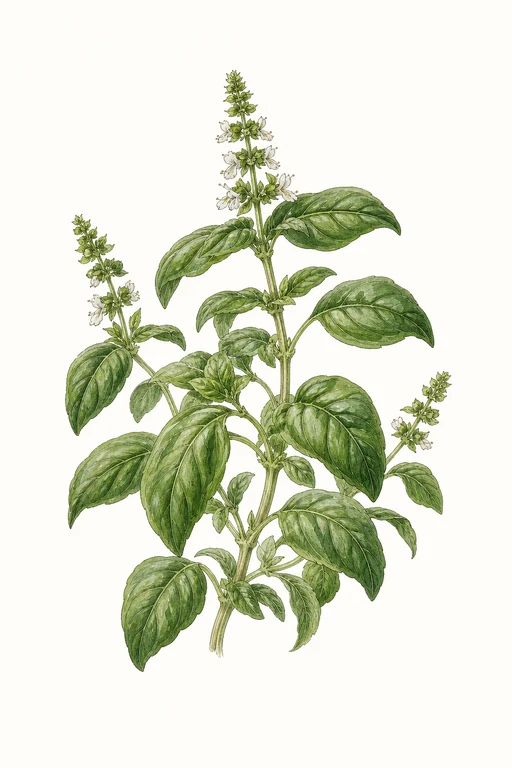
Provence
365d to harvest
Aromas first—Provence Lavender rises with a calm, silvery perfume that feels like sun-warmed linen. Its slender, upright flower spikes carry a refined, deep violet tone and a crisp, aromatic texture that holds beautifully when dried, making it a standout for fragrant bundles and sachets. Grow Provence for a long season of elegant blooms that lend unmistakable character to the garden and a lingering, floral-camphor essence to your home’s atmosphere.
Crop Dates
Growing note: Zone 9a has only 265 frost-free days — shorter than this crop's 365-day maturity. Outdoor planting is not viable; use protected cultivation.
| Milestone | Date |
|---|---|
| Last Frost | Mar 6th |
| Growing Approach | Protected Environment Only |
Crop Details
| Trait | Value |
|---|---|
| Days to Maturity | 365 |
| Sun Requirements | Full Sun |
| Growth Habit | Shrub |
| Support Needed | None |
| Planting Depth | Normal |
| Germination Temp (°F) | 65 |
| Min Soil Temp (°F) | 50 |
| Min Night Temp (°F) | 40 |
| Harden Off (days) | 10 |
Recommended Companions
Frequently Asked Questions
What pest or disease commonly affects Lavandula × intermedia (Provence), and how can I treat it?
Lavender (Lavandula × intermedia) is prone to root rot when soils stay wet, often first showing as wilting, gray-brown stems, and a rapid decline despite adequate sun. Improve drainage immediately (use a gritty mix and avoid standing water), cut back any dead stems, and water only after the soil surface dries; for heavy rot, remove affected plants to protect the rest of your lavender bed. Keep airflow high and don’t over-fertilize, since overly lush growth increases disease pressure.
How often should I water Provence lavender during the main growing phase?
During active growth, water deeply only when the top 1–2 in (2–5 cm) of soil has dried out, then let it dry again before the next watering. Provence lavender is drought-tolerant once established, so frequent “light” watering keeps roots too wet and raises root-rot risk. If you’re in containers, check more often—drying can be faster, but the goal is still the same: dry surface first, then soak, then dry.