SproutSmart
SproutSmart Intelligent Garden Sowing

Flat Dutch

Cabbage
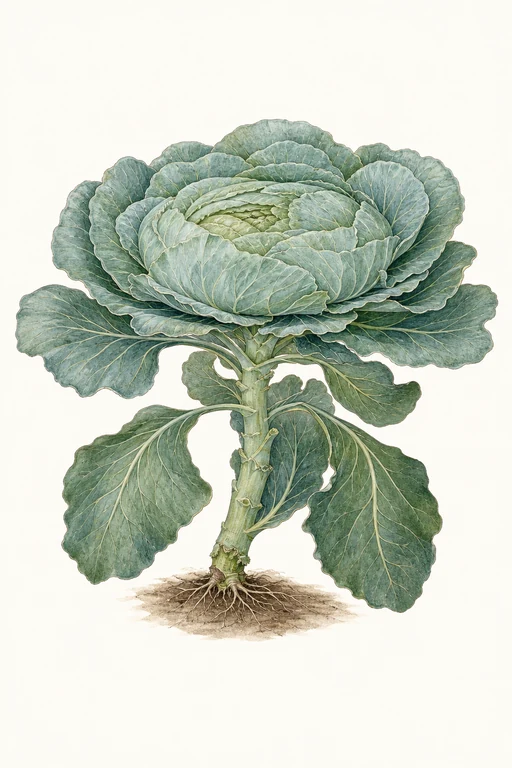
Botanical illustration of Flat Dutch
🌱 100d to harvest Rosette

Sink your senses into Flat Dutch’s crisp, cool crunch—heads form with a distinctive, flattened silhouette and a tender, sweet-lea…

Planting Schedule

Add Flat Dutch to your garden to build a schedule and get reminders.

Crop Dates

MilestoneDate
Start IndoorsJan 12th
Last FrostFeb 9th
Transplant / Sow OutdoorsFeb 9th
Harvest BeginsMay 20th
Harvest EndsDec 9th

Crop Details

TraitValue
Days to Maturity100
Sun RequirementsFull SunFull sun
Growth HabitRosette
Support NeededNone
Planting DepthNormal
Germination Temp (°F)45
Min Soil Temp (°F)40
Min Night Temp (°F)32
Harden Off (days)6

Frequently Asked Questions


What pests or diseases commonly affect Brassica oleracea var. capitata (cabbage) like Flat Dutch, and how can I treat them?
Watch for cabbage worms (imported cabbageworm/diamondback larvae) and aphids; inspect undersides of leaves and remove heavily infested foliage early. Use Bacillus thuringiensis (Bt) on larvae and spray aphids off with a strong water jet, repeating as needed. For disease, keep airflow high and avoid overhead irrigation to reduce black rot and clubroot risk; remove yellowing or blackened leaves promptly.
How often should I water Flat Dutch cabbage during the main head-forming phase, and what soil moisture should I maintain?
During head formation (about mid-season to maturity), keep soil evenly moist—aim for roughly 1 to 1.5 inches of water per week total, adjusted for rainfall. Water deeply so moisture reaches root depth, then let the top 1 inch of soil dry slightly before the next watering to prevent stressed, splitting heads. Mulch around plants to reduce fluctuations that can lead to cracking.
How do I tell when Flat Dutch cabbage is ready to harvest?
Harvest when heads are firm and reach their variety-appropriate size, typically near 100 days from sowing and long after leaf growth slows. Gently squeeze the head—if it feels tight and won’t compress much, it’s ready. If you notice leaves yellowing and the head stays firm, cut at the base immediately to prevent bolting or splitting.
Botanical illustration of Flat Dutch

Sink your senses into Flat Dutch’s crisp, cool crunch—heads form with a distinctive, flattened silhouette and a tender, sweet-leaning bite that feels fresh and clean. The foliage builds into a sturdy, blue-green rosette that holds its shape beautifully through the season, delivering reliable cabbages for gardeners who love dependable performance. Ideal for hearty, traditional cabbage preparations and for preserving flavors that deepen with time, Flat Dutch is a satisfying staple from garden to storage.

Sowing Tips

Transplant Conditions

Wait until soil reaches 40°F and nights stay above 32°F before moving outdoors. Harden off for 6 days first.

Expert Note

For best storage quality, transplant into cool weather and avoid heat stress—harvest after heads fully firm up, not before.