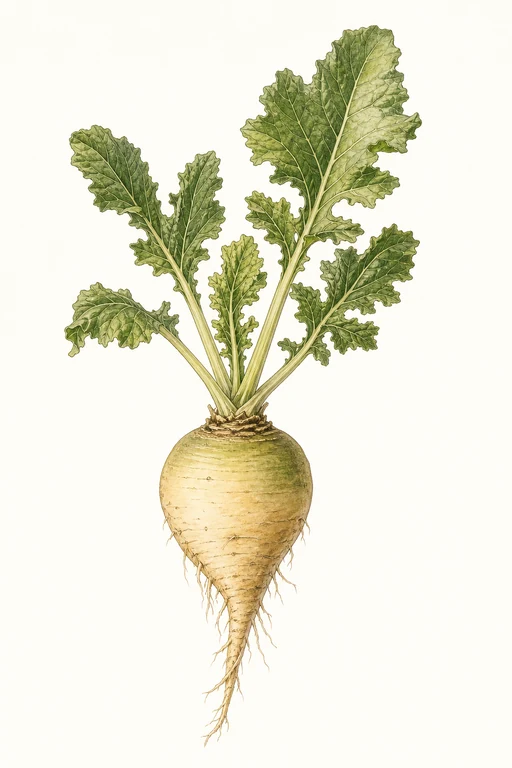
Ratte
Planting Schedule
Silky-smooth and delicately nutty, Ratte fingerlings bring a buttery, earthy flavor that feels especially vivid when warmed—each slender tuber holds its shape with a tender, creamy bite. The skins are thin and beautifully mottled, with a warm golden-brown base and subtle russet speckling that makes every harvest look like a small treasure. Grow Ratte for roasting and pan-browning, or for fresh, elegant slices that shine in simple preparations and rustic sauces.
Crop Dates
| Milestone | Date |
|---|---|
| Start Indoors | Direct Sow |
| Last Frost | Feb 9th |
| Transplant / Sow Outdoors | Feb 9th |
| Harvest Begins | May 5th |
| Harvest Ends | Dec 9th |
Crop Details
| Trait | Value |
|---|---|
| Days to Maturity | 85 |
| Sun Requirements | Full Sun |
| Growth Habit | Spreading |
| Support Needed | None |
| Planting Depth | Normal |
| Germination Temp (°F) | 50 |
| Min Soil Temp (°F) | 45 |
| Min Night Temp (°F) | 28 |
| Harden Off (days) | Not Required |
Today's Conditions
Outdoor planting for Ratte in Zone 9b typically begins around 2026-02-09. Wait until soil reaches at least 45°F before transplanting Ratte.
Garden Alerts
In Zone 9b, the average last spring frost is around February 09. Watch soil temperature before transplanting Ratte.
Frequently Asked Questions
How do I prevent and treat late blight on potato (Solanum tuberosum) like Ratte?
How often should I water Ratte potatoes during their main growing phase?
How can I tell when Ratte potatoes are ready to harvest?
Silky-smooth and delicately nutty, Ratte fingerlings bring a buttery, earthy flavor that feels especially vivid when warmed—each slender tuber holds its shape with a tender, creamy bite. The skins are thin and beautifully mottled, with a warm golden-brown base and subtle russet speckling that makes every harvest look like a small treasure. Grow Ratte for roasting and pan-browning, or for fresh, elegant slices that shine in simple preparations and rustic sauces.
Today's Conditions
Outdoor planting for Ratte in Zone 9b typically begins around 2026-02-09. Wait until soil reaches at least 45°F before transplanting Ratte.
Garden Alerts
In Zone 9b, the average last spring frost is around February 09. Watch soil temperature before transplanting Ratte.
Sowing Tips
Transplant Conditions
Wait until soil reaches 45°F and nights stay above 28°F before moving outdoors.
Expert Note
Plant certified seed potatoes (whole or cut pieces with 1–2 eyes) as soon as soil can be worked, and hill consistently to protect tubers from sun.