
Rutgers 250
Tomato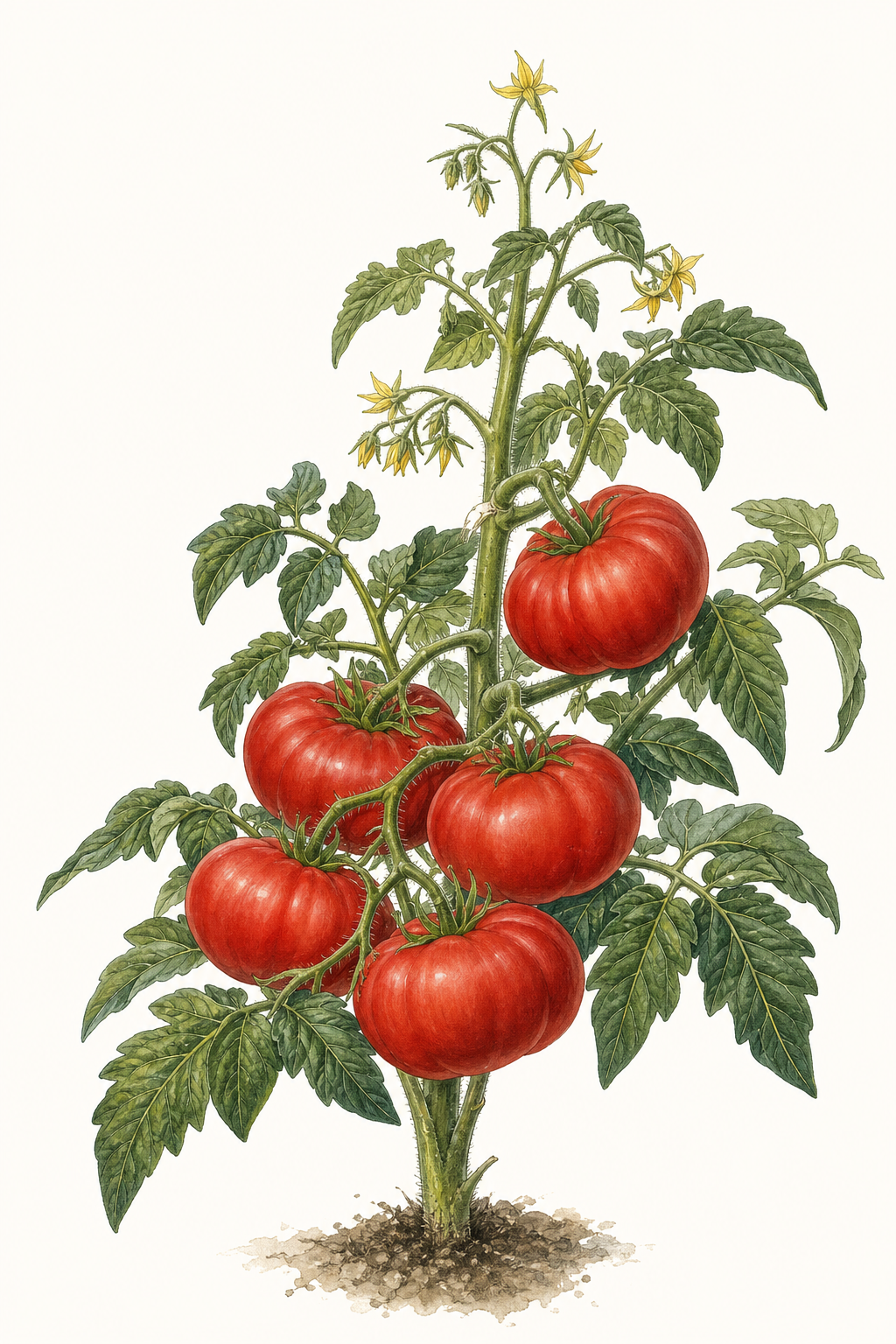
Sink your senses into Rutgers 250’s rich, old-summer tomato fragrance and a deep, rosy-red flesh that feels luxuriously dense. Th…
Crop Dates
| Milestone | Date |
|---|---|
| Start Indoors | Dec 22nd |
| Last Frost | Feb 9th |
| Transplant / Sow Outdoors | Apr 6th |
| Harvest Begins | Jun 30th |
| Harvest Ends | Dec 9th |
Crop Details
| Trait | Value |
|---|---|
| Days to Maturity | 85 |
| Sun Requirements | Full Sun |
| Growth Habit | Determinate |
| Support Needed | Cage |
| Planting Depth | Deep |
| Germination Temp (°F) | 75 |
| Min Soil Temp (°F) | 60 |
| Min Night Temp (°F) | 50 |
| Harden Off (days) | 8 |
Recommended Companions
Frequently Asked Questions
What’s the most common disease issue for Solanum lycopersicum (tomato) and how can I prevent it in my garden?
How often should I water Rutgers 250 tomatoes (Solanum lycopersicum) during the main growing phase?
How do I know when Rutgers 250 tomatoes (Solanum lycopersicum) are ready to harvest?
Sink your senses into Rutgers 250’s rich, old-summer tomato fragrance and a deep, rosy-red flesh that feels luxuriously dense. This beefsteak paste tomato delivers a meaty, low-seed interior with a balanced, pleasantly tangy sweetness—ideal for turning into thick, velvety sauces and robust preserves, or for enjoying at peak ripeness on the vine. Grow it for the satisfying weight of its fruits and the steady, garden-to-table performance that makes every harvest feel like a centerpiece.
Sowing Tips

Transplant Conditions
Wait until soil reaches 60°F and nights stay above 50°F before moving outdoors. Harden off for 8 days first.
Expert Note

For best disease resistance and yield, transplant into warm (60°F+), well-drained soil and keep foliage dry with consistent spacing and airflow.