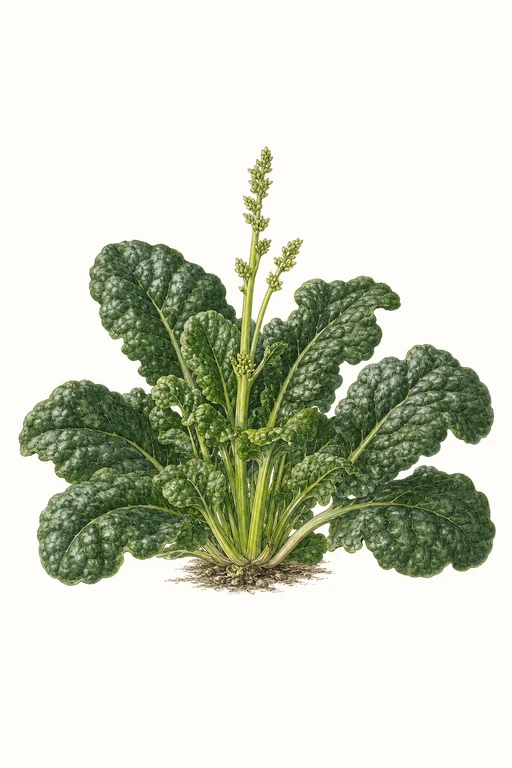
Spargo
Spinach
🌱 45d to harvest
Rosette
Tender, semi-savoy leaves of Spargo unfurl with a velvety, crinkled surface and a rich, deep-green glow that feels almost luminou…
Crop Dates
| Milestone | Date |
|---|---|
| Start Indoors | Direct Sow |
| Last Frost | Feb 9th |
| Transplant / Sow Outdoors | Jan 26th |
| Harvest Begins | Mar 12th |
| Harvest Ends | Dec 9th |
Crop Details
| Trait | Value |
|---|---|
| Days to Maturity | 45 |
| Sun Requirements | Part Sun |
| Growth Habit | Rosette |
| Support Needed | None |
| Planting Depth | Normal |
| Germination Temp (°F) | 60 |
| Min Soil Temp (°F) | 40 |
| Min Night Temp (°F) | 30 |
| Harden Off (days) | 5 |
Recommended Companions
Frequently Asked Questions
What’s the most common disease problem for Spinacia oleracea (spinach) and how do I prevent it?
Fungal leaf spot (often favored by cool, wet weather and crowded plants) can show up as dark, irregular spots with yellowing around them. Water at the soil line (not overhead), thin so leaves dry quickly after rain, and remove infected leaves promptly. If problems persist, use a label-approved copper or potassium bicarbonate spray to protect new growth.
How often should I water Spinacia oleracea during its main growing phase?
During the 30–45 day growing window, keep the top 1–2 inches of soil consistently moist but not waterlogged—spinach prefers steady moisture to avoid tough leaves and bolting. Water in the morning so foliage can dry, typically about 1 inch per week total from rainfall plus irrigation, adjusting to soil so you don’t see wilting or crusting. If your soil stays soggy or you see drooping with saturated soil, cut back and improve drainage.
How can I tell when Spinacia oleracea is ready to harvest?
Harvest when leaves are mature enough for eating—usually around 40–50 days after sowing. Look for a well-formed rosette with leaves that are sizable and firm (not tiny and stringy), and start with outer leaves if you want continued production. If you see the center beginning to stretch or flower stalks forming, harvest immediately because heat triggers rapid bolting and bitterness.