SproutSmart
SproutSmart Intelligent Garden Sowing

Tip Top Apricot

Nasturtium
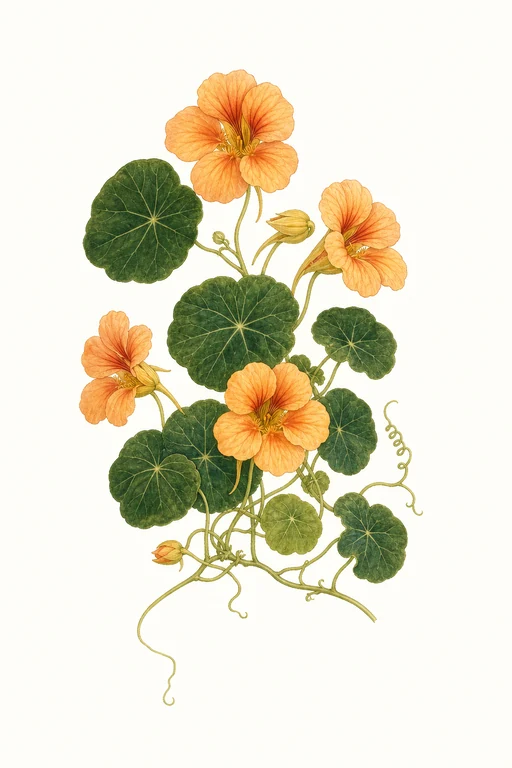
Botanical illustration of Tip Top Apricot
🌱 50d to harvest Bush

Fragrant, sunset-bright blooms and peppery leaves arrive in a lush, trailing cascade—Tip Top Apricot paints gardens with warm apr…

Planting Schedule

Add Tip Top Apricot to your garden to build a schedule and get reminders.

Crop Dates

MilestoneDate
Start IndoorsDirect Sow
Last FrostFeb 9th
Transplant / Sow OutdoorsFeb 9th
Harvest BeginsMar 31st
Harvest EndsDec 9th

Crop Details

TraitValue
Days to Maturity50
Sun RequirementsFull SunFull sun
Growth HabitBush
Support NeededNone
Planting DepthSurface
Germination Temp (°F)70
Min Soil Temp (°F)50
Min Night Temp (°F)32
Harden Off (days)Not Required

Frequently Asked Questions


What pest or disease is most common on Tropaeolum majus (Tip Top Apricot), and how do I treat it?
Tropaeolum majus commonly gets aphids and whitefly, which leave sticky honeydew and can stunt growth. Spray plants with a strong jet of water to knock pests off, then repeat every 2–3 days for a week; for heavier infestations, use insecticidal soap and cover leaf undersides. If you see powdery mildew (a gray-white dust on leaves), remove badly affected foliage and keep plants well-spaced with good airflow to reduce repeat outbreaks.
How often should I water Tip Top Apricot nasturtium during the main growing phase?
Water to keep soil evenly moist but not soggy once plants are established, typically about 1–2 times per week depending on heat. Aim for a light, consistent moisture level by watering when the top 1 inch of soil feels dry, since Tropaeolum majus will struggle in waterlogged beds. Avoid frequent shallow watering that keeps the surface wet, which increases leaf disease risk.
How can I tell when Tip Top Apricot (Tropaeolum majus) is ready to harvest?
Harvest flowers and leaves starting around 50 days after sowing, when plants are actively blooming. Pick flowers when they are fully colored and open for best flavor, and harvest leaves by cutting young, tender growth rather than older, tougher leaves. Continue harvesting regularly to encourage more blooms through the growing period.
Botanical illustration of Tip Top Apricot

Fragrant, sunset-bright blooms and peppery leaves arrive in a lush, trailing cascade—Tip Top Apricot paints gardens with warm apricot-orange petals that glow against deep green foliage. The flavor is lively and tangy with a gentle, apricot-kissed sweetness, while the tender leaves and blossoms offer a crisp, succulent bite. Grow Tip Top Apricot for fresh garnishes, vibrant salads, and eye-catching color in pickles and bright sauces—its blossoms are especially prized for their vivid, velvety charm.

Sowing Tips

Transplant Conditions

Wait until soil reaches 50°F and nights stay above 32°F before moving outdoors.

Expert Note

Sow nasturtium after frost in warm soil and give it lean conditions—too much fertilizer makes more foliage and fewer blooms.