
African Basil
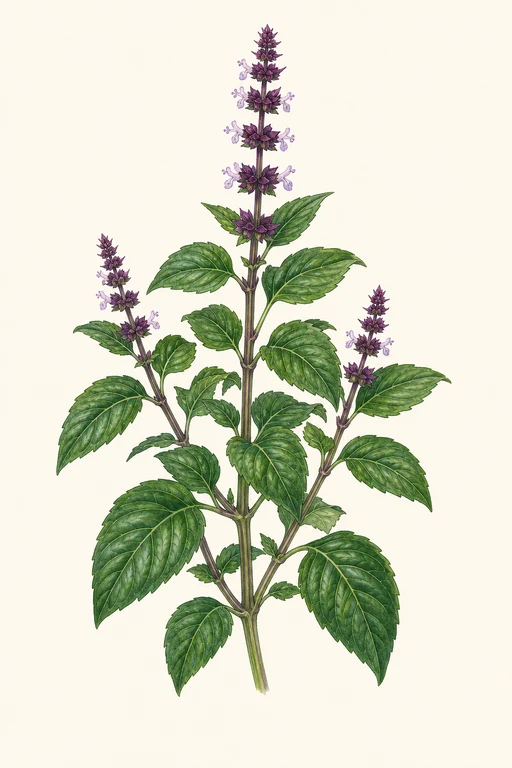
Experience the aromatic allure of African Basil, with its vibrant green leaves that exude a warm, spicy fragrance.
This variety offers a unique flavor profile, combining sweet basil notes with hints of anise and clove, making it an exceptional addition to fresh salads, pestos, and herbal blends. Its lush foliage and robust growth make it a delightful choice for any home garden, inviting you to explore its culinary potential.
Light: Full SunMaturity: 60 DaysHabit: Upright
Location not set yet
Location not set yet
Enter your ZIP for local crop dates
African Basil Planting Dates by USDA Zone
Estimated US hardiness-zone windows for sow, transplant, and harvest. Enter a US ZIP above for exact local dates, or open a zone below.
| Zone | Start Indoors | Sow / Transplant | Harvest |
|---|---|---|---|
| Zone 1a | Protected Environment Only | ||
| Zone 1b | Apr 20th | Jul 13th | Sep 11th – Aug 1st |
| Zone 2a | Apr 13th | Jul 6th | Sep 4th – Aug 29th |
| Zone 2b | Apr 3rd | Jun 26th | Aug 25th – Aug 25th |
| Zone 3a | Apr 3rd | Jun 26th | Aug 25th – Sep 1st |
| Zone 3b | Apr 7th | Jun 30th | Aug 29th – Sep 21st |
| Zone 4a | Apr 3rd | Jun 26th | Aug 25th – Sep 24th |
| Zone 4b | Apr 1st | Jun 24th | Aug 23rd – Sep 27th |
| Zone 5a | Mar 27th | Jun 19th | Aug 18th – Sep 30th |
| Zone 5b | Mar 23rd | Jun 15th | Aug 14th – Oct 5th |
| Zone 6a | Mar 20th | Jun 12th | Aug 11th – Oct 10th |
| Zone 6b | Mar 14th | Jun 6th | Aug 5th – Oct 16th |
| Zone 7a | Mar 9th | Jun 1st | Jul 31st – Oct 20th |
| Zone 7b | Feb 27th | May 22nd | Jul 21st – Oct 28th |
| Zone 8a | Feb 18th | May 13th | Jul 12th – Nov 5th |
| Zone 8b | Feb 9th | May 4th | Jul 3rd – Nov 12th |
| Zone 9a | Jan 23rd | Apr 17th | Jun 16th – Nov 26th |
| Zone 9b | Dec 29th | Mar 23rd | May 22nd – Dec 9th |
| Zone 10a | — | Oct 1st | Nov 30th – Feb 28th |
| Zone 10b | — | Oct 1st | Nov 30th – Feb 28th |
| Zone 11a | — | Oct 1st | Nov 30th – Feb 28th |
| Zone 11b | — | Oct 1st | Nov 30th – Feb 28th |
| Zone 12a | — | Oct 1st | Nov 30th – Feb 28th |
| Zone 12b | — | Oct 1st | Nov 30th – Feb 28th |
| Zone 13a | — | Oct 1st | Nov 30th – Feb 28th |
| Zone 13b | — | Oct 1st | Nov 30th – Feb 28th |
Crop Details
| Trait | Value |
|---|---|
| Days to Maturity | 60 |
| Sun Requirements | Full Sun |
| Growth Habit | Upright |
| Support Needed | None |
| Planting Depth | Normal |
| Germination Temp (°F) | 70 |
| Min Soil Temp (°F) | 60 |
| Min Night Temp (°F) | 50 |
| Harden Off (days) | 10 |
Culinary Notes

Chef's Note
African basil brings a more assertive, anise-and-clove character than standard Genovese—so use it like a spice as much as an herb. Add it late or fold it in after heat so the leaves stay vibrant and don’t turn bitter.

Best Uses
- pounding into a coarse, fragrant green pesto that clings to pasta and bread
- finishing fresh salads and fruit plates where the licorice-clove note can show off
- stirring into herb butters and pan sauces at the end for a clean, spicy perfume
- muddling into vinaigrettes or quick marinades for grilled meats

Flavor Profile

Kitchen Pairings
Frequently Asked Questions
Why are my African basil leaves developing small holes and sticky residue, and what should I do?
How often should I water African basil during its main growth (after it’s established)?
How can I tell when African basil is ready to harvest (about 60 days)?
Sowing Tips

Transplant Conditions
Wait until soil reaches 60°F and nights stay above 50°F before moving outdoors. Harden off for 10 days first.
Expert Note

For the fullest clove-like aroma and sturdy regrowth, pinch tips early and keep plants warm with consistent moisture—African basil is heat-loving but dislikes cool nights.