
Alaska Nasturtium
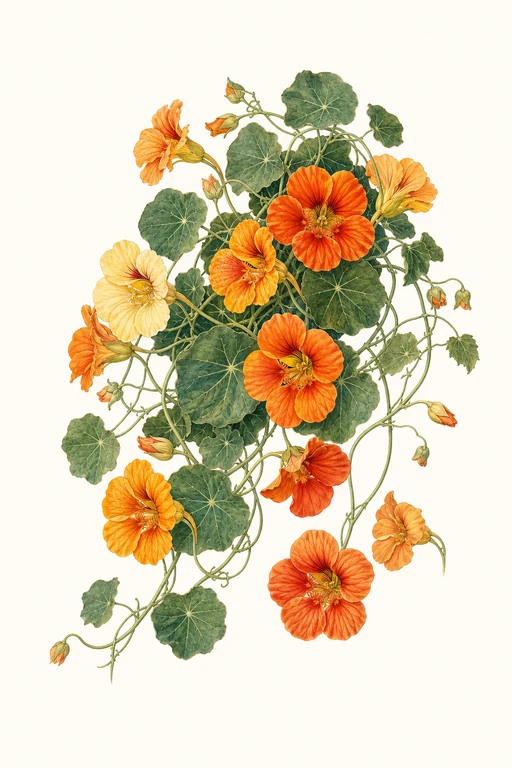
Vivid, cool-weather blooms and peppery, bright flavor make Alaska Nasturtium a standout for gardeners who want instant sensory payoff.
The tender leaves and crisp, juicy seed pods deliver a clean bite—pungent yet fresh—ideal for roasting, quick pickling, and adding lively character to salads and garnishes. Expect a vigorous, compact habit with fast results in about 50 days, so you can enjoy harvests early and often.
Light: Full SunMaturity: 50 DaysHabit: Spreading
Crop Dates : 6b
| Milestone | Date |
|---|---|
| Start Indoors | Direct Sow |
| Last Frost | Apr 25th |
| Transplant / Sow Outdoors | Apr 25th |
| Harvest Begins | Jun 14th |
| Harvest Ends | Oct 16th |
Crop Details
| Trait | Value |
|---|---|
| Days to Maturity | 50 |
| Sun Requirements | Full Sun |
| Growth Habit | Spreading |
| Support Needed | None |
| Planting Depth | Normal |
| Germination Temp (°F) | 70 |
| Min Soil Temp (°F) | 50 |
| Min Night Temp (°F) | 35 |
| Harden Off (days) | Not Required |
Culinary Notes

Chef's Note
Alaska Nasturtium leans hard into that peppery, zingy, almost-citrus snap—so use it last, like fresh herbs, and don’t cook it down too far. The pods stay crisp and juicy rather than collapsing, making them ideal for quick pickles and high-impact garnishes.

Best Uses
- scatter blooms and chopped leaves over salads for a fresh pepper sting
- quick-pickle seed pods in vinegar-salt for crunchy cocktail garnish
- roast lightly until the pods caramelize at the edges, then finish with flaky salt
- use as a spicy-green finishing herb for grilled fish or eggs

Flavor Profile

Kitchen Pairings
Frequently Asked Questions
How do I manage powdery mildew on Alaska nasturtiums?
How often should I water Alaska nasturtium during the main growing phase?
When are Alaska nasturtiums ready to harvest?
Sowing Tips

Transplant Conditions
Wait until soil reaches 50°F and nights stay above 35°F before moving outdoors.
Expert Note

For the best peppery flavor, grow nasturtiums in full sun and avoid over-fertilizing (leaner soil produces more flowers).