
Lemon
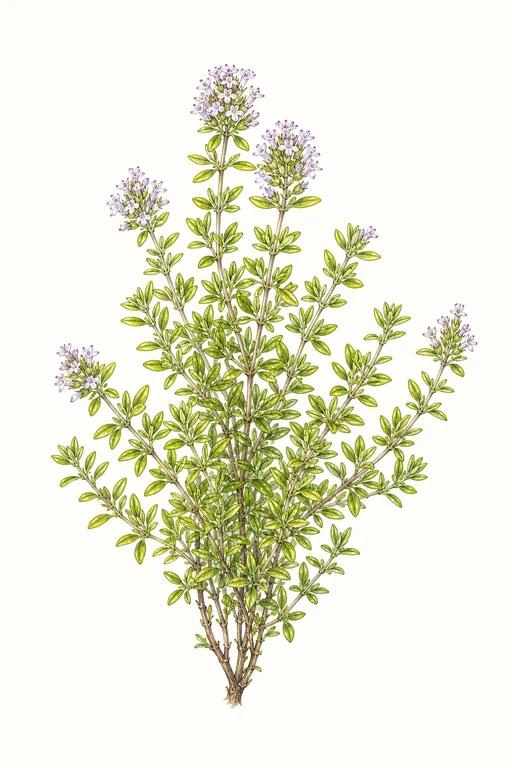
Bright as a sunlit grove, Lemon Thyme carries a vivid lemon-citrus perfume that blooms from its tiny leaves with every touch.
The foliage is fine-textured and aromatic, forming a tidy, upright mound that’s as handsome in the garden as it is fragrant at the doorstep. Grow Lemon Thyme for its bold, zesty character in herb blends, infused oils, and fragrant rubs—an easy, high-impact addition for home gardeners who love living flavor.
Light: Full SunMaturity: 60 DaysHabit: Upright
Location not set yet
Location not set yet
Enter your ZIP for local crop dates
Lemon Planting Dates by USDA Zone
Estimated US hardiness-zone windows for sow, transplant, and harvest. Enter a US ZIP above for exact local dates, or open a zone below.
| Zone | Start Indoors | Sow / Transplant | Harvest |
|---|---|---|---|
| Zone 1a | Protected Environment Only | ||
| Zone 1b | Apr 20th | Jun 1st | Jul 31st – Aug 1st |
| Zone 2a | Apr 13th | May 25th | Jul 24th – Aug 29th |
| Zone 2b | Apr 3rd | May 15th | Jul 14th – Aug 25th |
| Zone 3a | Apr 3rd | May 15th | Jul 14th – Sep 1st |
| Zone 3b | Apr 7th | May 19th | Jul 18th – Sep 21st |
| Zone 4a | Apr 3rd | May 15th | Jul 14th – Sep 24th |
| Zone 4b | Apr 1st | May 13th | Jul 12th – Sep 27th |
| Zone 5a | Mar 27th | May 8th | Jul 7th – Sep 30th |
| Zone 5b | Mar 23rd | May 4th | Jul 3rd – Oct 5th |
| Zone 6a | Mar 20th | May 1st | Jun 30th – Oct 10th |
| Zone 6b | Mar 14th | Apr 25th | Jun 24th – Oct 16th |
| Zone 7a | Mar 9th | Apr 20th | Jun 19th – Oct 20th |
| Zone 7b | Feb 27th | Apr 10th | Jun 9th – Oct 28th |
| Zone 8a | Feb 18th | Apr 1st | May 31st – Nov 5th |
| Zone 8b | Feb 9th | Mar 23rd | May 22nd – Nov 12th |
| Zone 9a | Jan 23rd | Mar 6th | May 5th – Nov 26th |
| Zone 9b | Dec 29th | Feb 9th | Apr 10th – Dec 9th |
| Zone 10a | Continuous Production | ||
| Zone 10b | Continuous Production | ||
| Zone 11a | Continuous Production | ||
| Zone 11b | Continuous Production | ||
| Zone 12a | Continuous Production | ||
| Zone 12b | Continuous Production | ||
| Zone 13a | Continuous Production | ||
| Zone 13b | Continuous Production | ||
Crop Details
| Trait | Value |
|---|---|
| Days to Maturity | 60 |
| Sun Requirements | Full Sun |
| Growth Habit | Upright |
| Support Needed | None |
| Planting Depth | Normal |
| Germination Temp (°F) | 70 |
| Min Soil Temp (°F) | 60 |
| Min Night Temp (°F) | 50 |
| Harden Off (days) | 7 |
Culinary Notes

Chef's Note
Lemon thyme tastes like citrus perfume with an herbal backbone, so it’s at its best when you’re chasing aroma—finish with a touch after heat or steep it briefly so the leaves don’t turn flat. The tiny foliage slips into butter, oil, and marinades with almost no bitterness, giving you lift without heaviness.

Best Uses
- microplaned into butter or yogurt and used as a finishing herb
- stirred into lemony marinades for chicken, fish, and lamb
- steeped for quick lemon-thyme infused oil or vinegar
- rubbed onto roasts or tossed through blistered potatoes at the end

Flavor Profile

Kitchen Pairings
Frequently Asked Questions
What’s a common disease pest issue for Cucumis sativus (lemon cucumber) and how do I treat it at home?
How often should I water Cucumis sativus during the main growing phase, and what soil moisture should I aim for?
How can I tell when my Cucumis sativus is ready to harvest?
Sowing Tips

Transplant Conditions
Wait until soil reaches 60°F and nights stay above 50°F before moving outdoors. Harden off for 7 days first.
Expert Note

Harden off well and transplant only after nights are reliably warm; in-ground citrus thyme prefers lean, well-drained soil to prevent rot.