
Alegria
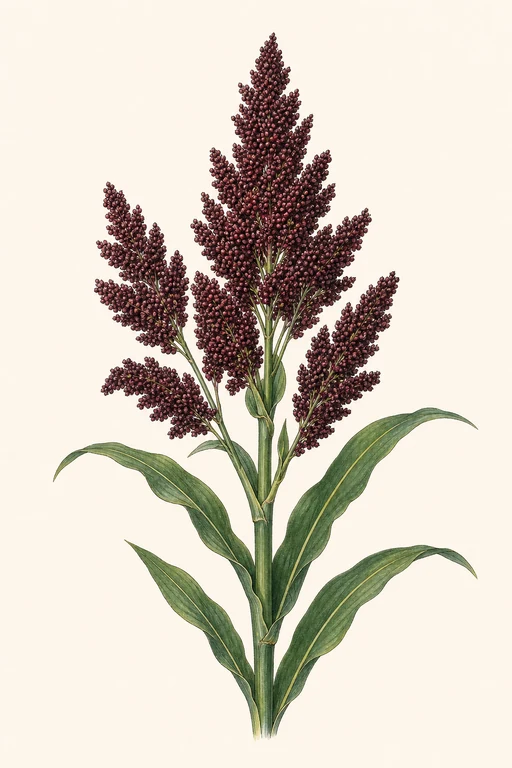
Experience the rich, nutty aroma and pleasantly chewy bite of Alegria grain amaranth, with plump seeds that cook up into a satisfying, grainy texture.
Grown for reliable harvest at about 90 days, Alegria produces abundant heads that dry down evenly for easy threshing and storage. Ideal for home grain growers seeking a flavorful staple for steaming, simmering, and sprouting, Alegria brings bold, earthy character to every batch you make from your own harvest.
Light: Full SunMaturity: 90 DaysHabit: Upright
Planting schedules and alerts are optimized for Columbus (Zone 6b).
Crop Dates
| Milestone | Date |
|---|---|
| Start Indoors | Direct Sow |
| Last Frost | Apr 25th |
| Transplant / Sow Outdoors | Apr 25th |
| Harvest Begins | Jul 24th |
| Harvest Ends | Oct 16th |
Crop Details
| Trait | Value |
|---|---|
| Days to Maturity | 90 |
| Sun Requirements | Full Sun |
| Growth Habit | Upright |
| Support Needed | None |
| Planting Depth | Normal |
| Germination Temp (°F) | 70 |
| Min Soil Temp (°F) | 60 |
| Min Night Temp (°F) | 50 |
| Harden Off (days) | Not Required |
Culinary Notes

Chef's Note
Alegria is built for the chew—small seeds that hold their grain texture instead of turning fluffy. Toast it before simmering for a deeper, more pronounced nuttiness that stands up to lime, garlic, and hearty beans.

Best Uses
- steamed or simmered grain bowls where you want a chewy, not fluffy, texture
- hot cereal/porridge with milk or broth for a hearty spoon-feel
- dry-toasted amaranth as a crunchy topping or mixed into thicker pilafs
- sprouted amaranth for a tender, peppery-green crunch in salads and wraps

Flavor Profile

Frequently Asked Questions
What’s the most common disease or pest problem on Alegria, and how can I control it?
How often should I water Alegria during the main growing phase?
How can I tell when Alegria is ready to harvest?
Sowing Tips

Transplant Conditions
Wait until soil reaches 60°F and nights stay above 50°F before moving outdoors.
Expert Note

Direct-sow Alegria amaranth after your soil warms for best emergence, then harvest seed heads once the plants dry down for crisp popped/honey candy.