
All American
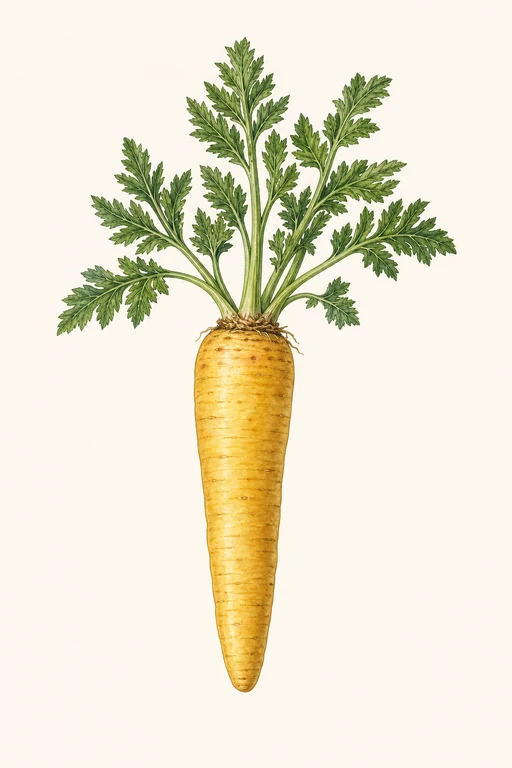
Sweet, creamy parsnips with a luminous, golden core—All American delivers a rich, honeyed flavor that deepens beautifully after cool weather.
The roots are smooth and uniform with a tender, fine-grained texture that roasts to caramelized edges while staying pleasantly creamy inside. Grow All American for reliable, straight roots at about 100 days, ideal for home gardens where you want dependable harvest quality and standout flavor in every batch.
Light: Full SunMaturity: 100 DaysHabit: Taproot
Crop Dates : 3a
| Milestone | Date |
|---|---|
| Start Indoors | Direct Sow |
| Last Frost | May 15th |
| Transplant / Sow Outdoors | May 15th |
| Harvest Begins | Aug 23rd |
| Harvest Ends | Sep 1st |
Crop Details
| Trait | Value |
|---|---|
| Days to Maturity | 100 |
| Sun Requirements | Full Sun |
| Growth Habit | Taproot |
| Support Needed | None |
| Planting Depth | Normal |
| Germination Temp (°F) | 55 |
| Min Soil Temp (°F) | 45 |
| Min Night Temp (°F) | 28 |
| Harden Off (days) | Not Required |
Culinary Notes

Chef's Note
All American parsnips lean sweet and creamy, so they don’t need coaxing—heat just brings out caramel at the edges while the core stays fine-grained and luxurious. Roast or purée them and let butter and pepper do the talking; skip onion-like partners since this one already brings its own luminance.

Best Uses
- hot-oven roast until the exterior bronzes and the interior turns spoon-tender
- parsnip purée/silk mash for a glossy, naturally sweet base
- quick pan-sear with butter for crisp edges and a creamy center
- braise or sheet-pan them with woody herbs for a mellow, rounded sweetness

Flavor Profile

Frequently Asked Questions
What should I do if my All American tomatoes develop gray mold or fuzzy gray spots on leaves and fruit?
How often should I water All American tomatoes during the main growing phase (from flowering through fruit set)?
How can I tell when All American tomatoes are ready to harvest at ~100 days?
Sowing Tips

Transplant Conditions
Wait until soil reaches 45°F and nights stay above 28°F before moving outdoors.
Expert Note

Direct-sow parsnip seed as soon as soil can be worked, keep it evenly moist until germination, and expect the best sweetness after a light frost.