
Anisa
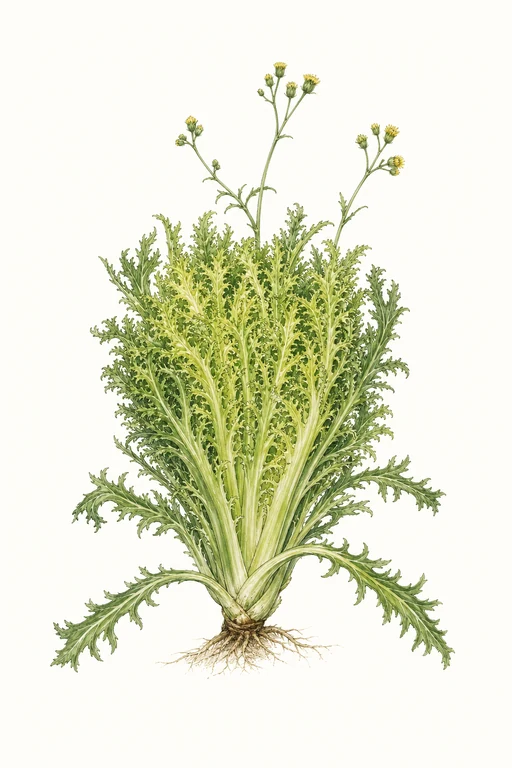
Tender, frilly hearts of Anisa Frisee unfurl in a cool-season crescendo—crisp, delicately bitter, and vividly green with a luminous, feathery texture that feels as good as it tastes.
At maturity in about 55 days, plants form tight, upright rosettes with tightly curled leaves that hold their shape beautifully for salads and garnish-style serving. Anisa’s refined bite shines in fresh applications, and its bold, ruffled presence makes a standout base for vinaigrettes, warm-tossed sides, and tangy pickling-style preparations.
Light: Part SunMaturity: 55 DaysHabit: Rosette
Planting schedules and alerts are optimized for Columbus (Zone 6b).
Crop Dates
| Milestone | Date |
|---|---|
| Start Indoors | Direct Sow |
| Last Frost | Apr 25th |
| Transplant / Sow Outdoors | Apr 18th |
| Harvest Begins | Jun 12th |
| Harvest Ends | Oct 16th |
Crop Details
| Trait | Value |
|---|---|
| Days to Maturity | 55 |
| Sun Requirements | Part Sun |
| Growth Habit | Rosette |
| Support Needed | None |
| Planting Depth | Normal |
| Germination Temp (°F) | 45 |
| Min Soil Temp (°F) | 40 |
| Min Night Temp (°F) | 32 |
| Harden Off (days) | 7 |
Culinary Notes

Chef's Note
Anisa frisee brings a clean, ruffled crunch with a distinctly bitter edge that needs acid and fat to round it off—think lemony vinaigrettes and mustardy dressings. It holds its shape better than floppy greens, so it won’t collapse into the dressing when plated and served promptly.

Best Uses
- shaved frisee salads under punchy vinaigrettes
- warm-tossed frisee side with rendered fat and sharp acid
- egg- or mustard-driven plated garnish that stays upright

Flavor Profile

Kitchen Pairings
Frequently Asked Questions
What causes leaf spots or wilting in Anisa, and how do I control it at home?
How often should I water Anisa during the main growing phase (weeks 2–8)?
How can I tell when Anisa is ready to harvest at around 55 days?
Sowing Tips

Transplant Conditions
Wait until soil reaches 40°F and nights stay above 32°F before moving outdoors. Harden off for 7 days first.
Expert Note

For the sweetest, crispest Frisée, keep plants evenly moist and cool, avoiding heat spikes that can trigger bitterness and bolting.