
Anise Hyssop
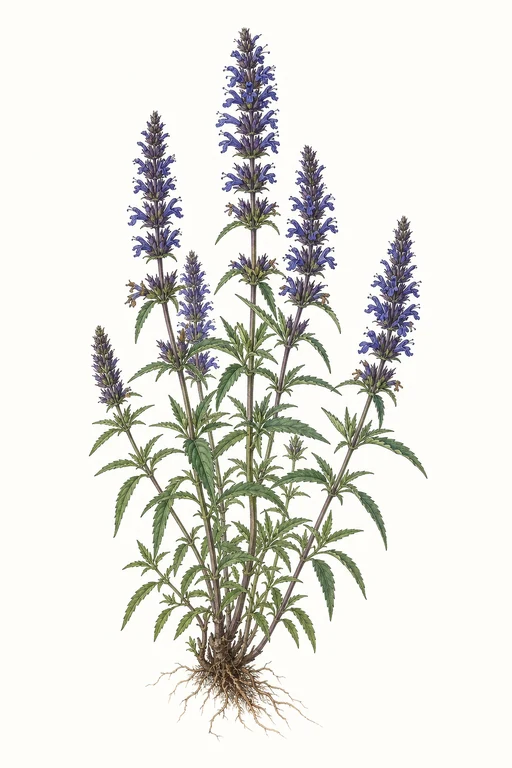
Fragrant as a warm evening breeze, Anise Hyssop unfurls aromatic foliage with a sweet, licorice-anise perfume and a bright, herbal lift.
Expect slender, upright stems topped by vivid spikes of deep blue-violet blossoms, with leaves that feel finely textured and softly serrated to the eye. Grow it for fresh bouquets and fragrant garden charm—its flowers and foliage lend themselves beautifully to herbal infusions, potpourri, and flavorful seasoning blends.
Light: Full SunMaturity: 60 DaysHabit: Upright
Planting schedules and alerts are optimized for Columbus (Zone 6b).
Crop Dates
| Milestone | Date |
|---|---|
| Start Indoors | Mar 21st |
| Last Frost | Apr 25th |
| Transplant / Sow Outdoors | May 9th |
| Harvest Begins | Jul 8th |
| Harvest Ends | Oct 16th |
Crop Details
| Trait | Value |
|---|---|
| Days to Maturity | 60 |
| Sun Requirements | Full Sun |
| Growth Habit | Upright |
| Support Needed | None |
| Planting Depth | Surface |
| Germination Temp (°F) | 70 |
| Min Soil Temp (°F) | 45 |
| Min Night Temp (°F) | 50 |
| Harden Off (days) | 7 |
Culinary Notes

Chef's Note
Anise hyssop is all about fragrance first—use it like a delicate perfume, not a heavy herb. A quick steep or a last-minute toss keeps its licorice-anise character bright instead of turning bitter or medicinal.

Best Uses
- steep into hot tea or syrup for a licorice-sweet, cooling fragrance
- chop fresh into fruit salads where the aromatics stay crisp (use lightly, toss at the last minute)
- infuse into warm vinegar or oil for quick pickles and punchy dressings
- use in herbal salt blends—small amounts only—then sprinkle over grilled pork or roasted squash

Flavor Profile

Kitchen Pairings
Frequently Asked Questions
How do I prevent and treat powdery mildew on anise hyssop (Agastache) in humid summers?
How often should I water anise hyssop during the main growing phase, and what soil moisture should I aim for?
When is anise hyssop ready to harvest for best flavor and bloom use?
Sowing Tips

Transplant Conditions
Wait until soil reaches 45°F and nights stay above 50°F before moving outdoors. Harden off for 7 days first.
Expert Note

Sow lightly (or barely cover), keep evenly moist, and plant out only once nights are reliably warm for fastest establishment and strong licorice-flower flavor.