
Apache
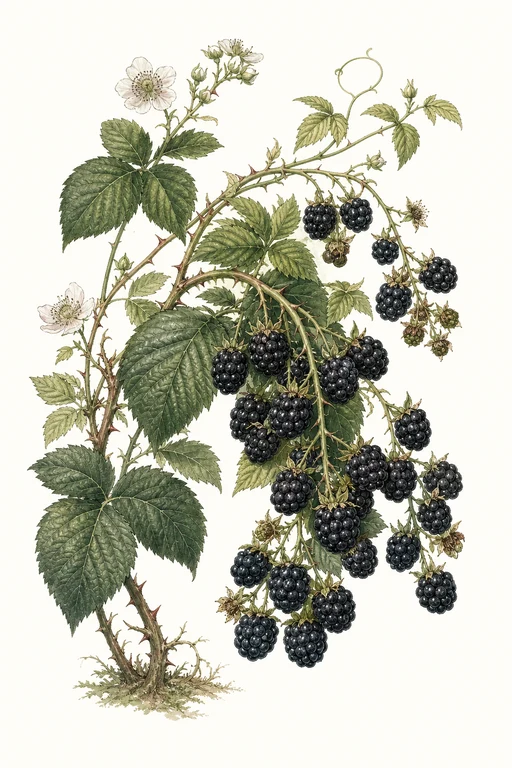
Sink your senses into Apache’s glossy, near-black berries—tart-sweet and intensely flavored, with a juicy snap that feels almost velvety on the palate.
At maturity, the fruit ripens in succession on vigorous canes, offering a rich, deep color and a satisfying, berry-forward texture. Grow Apache for standout fresh enjoyment and for bold, dark-purple preserves and sauces that capture its blackberry intensity from the garden to the jar.
Light: Full SunMaturity: 90 DaysHabit: Shrub
Planting schedules and alerts are optimized for Columbus (Zone 6b).
Crop Dates
| Milestone | Date |
|---|---|
| Start Indoors | Direct Sow |
| Last Frost | Apr 25th |
| Transplant / Sow Outdoors | Apr 25th |
| Harvest Begins | Jul 24th |
| Harvest Ends | Oct 16th |
Crop Details
| Trait | Value |
|---|---|
| Days to Maturity | 90 |
| Sun Requirements | Full Sun |
| Growth Habit | Shrub |
| Support Needed | Trellis |
| Planting Depth | Normal |
| Germination Temp (°F) | 70 |
| Min Soil Temp (°F) | 50 |
| Min Night Temp (°F) | 28 |
| Harden Off (days) | Not Required |
Culinary Notes

Chef's Note
Apache’s near-black berries hit with a tart, punchy first impression and a juicy snap that doesn’t turn to mush in a quick compote. Reduce them down and their dark-fruited intensity coats meat or pastries with a glossy, berry-forward tang rather than a jammy sweetness.

Best Uses
- fresh-handheld eating where the berry keeps its snap
- stovetop blackberry compote for spooning over pancakes or yogurt
- dark-purple preserves—high flavor payoff with minimal sweetener
- reducing into a gloss for pork, duck, or grilled sausages

Flavor Profile

Kitchen Pairings
Frequently Asked Questions
How do I control blossom-end rot in Apache peppers?
How often should I water Apache peppers during the 90-day growing phase?
How can I tell when Apache peppers are ready to harvest?
Sowing Tips

Transplant Conditions
Wait until soil reaches 50°F and nights stay above 28°F before moving outdoors.
Expert Note

Plant thornless blackberries in full sun with well-drained soil, water deeply the first season, and train/prune to keep new canes productive.