
Arapaho
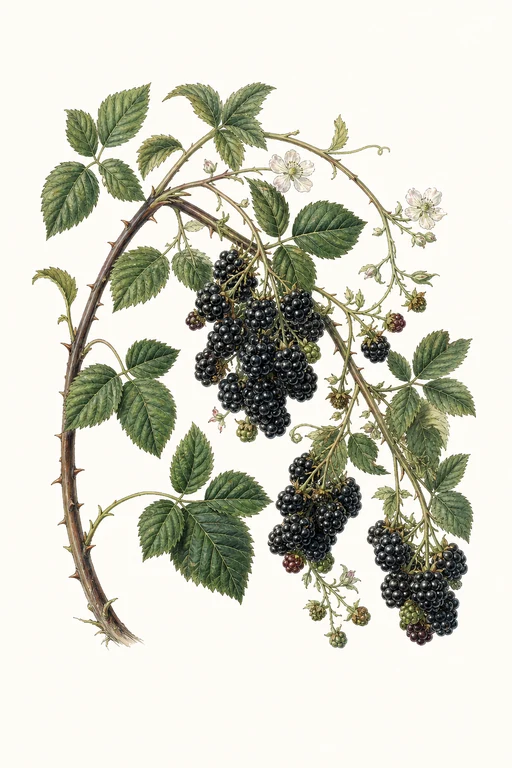
Sink your teeth into Arapaho’s glossy, jet-black blackberries—sweet, richly perfumed, and bursting with a juicy, tender bite.
The berries ripen in a steady rhythm, offering a smooth, nearly seedless feel that shines fresh and makes exceptional preserves, sauces, and desserts. Grow Arapaho for a garden-to-plate harvest that’s as beautiful as it is flavorful, with canes that reward attentive care and deliver abundant fruit in about 42 days to maturity.
Light: Full SunMaturity: 42 DaysHabit: Mounding
Planting schedules and alerts are optimized for Columbus (Zone 6b).
Crop Dates
| Milestone | Date |
|---|---|
| Start Indoors | Direct Sow |
| Last Frost | Apr 25th |
| Transplant / Sow Outdoors | Apr 25th |
| Harvest Begins | Jun 6th |
| Harvest Ends | Oct 16th |
Crop Details
| Trait | Value |
|---|---|
| Days to Maturity | 42 |
| Sun Requirements | Full Sun |
| Growth Habit | Mounding |
| Support Needed | Trellis |
| Planting Depth | Normal |
| Germination Temp (°F) | 70 |
| Min Soil Temp (°F) | 50 |
| Min Night Temp (°F) | 35 |
| Harden Off (days) | Not Required |
Culinary Notes

Chef's Note
Arapaho lands in that sweet spot: perfumed and tangy enough to cut through butter and cream, but tender enough to eat raw without the gritty seed interruption. Treat it like a jewel—quick heat for sauces so it turns syrupy-glossy instead of collapsing into jam puddle.

Best Uses
- fresh eating where the fruit stays glossy and juicy
- stirred-thick preserves that hold shape on toast without turning jammy-water
- quick pan-sauce reduction for pork or lamb—set it glossy, then spoon
- baked desserts where the berries keep their structure: galettes, crumb bars, and cobblers

Flavor Profile

Frequently Asked Questions
What should I do if my Arapaho potatoes develop late blight or leaf spot?
How often should I water Arapaho potatoes during the main growing phase?
How can I tell when Arapaho potatoes are ready to harvest?
Sowing Tips

Transplant Conditions
Wait until soil reaches 50°F and nights stay above 35°F before moving outdoors.
Expert Note

Plant blackberry canes where they’ll get full sun and consistent moisture, and wait to set them out until after the last spring frost for best establishment.