
Artichoke de Marseille
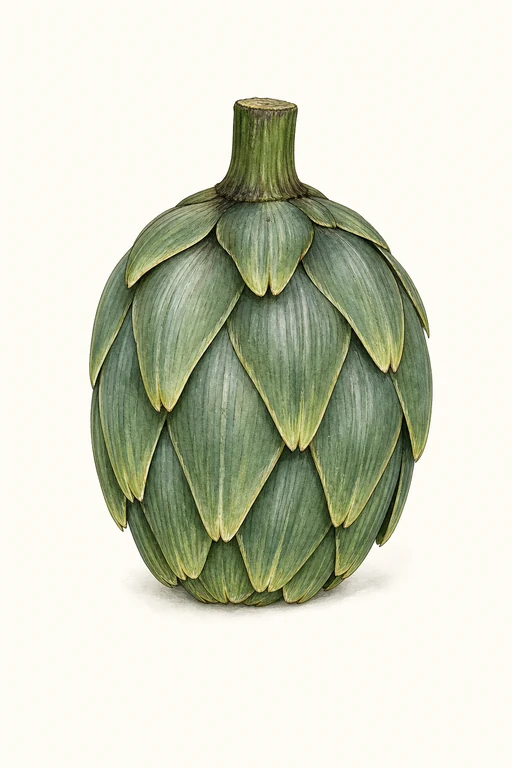
Sink your senses into Artichoke de Marseille’s tightly packed, silken bracts—an elegant globe that feels substantial in the hand and opens to reveal a tender, nutty heart.
The flavor is distinctly rich and earthy with a gentle sweetness, making it a standout for roasting and steaming, as well as for creamy sauces and savory spreads. Garden with confidence: this 90-day globe artichoke delivers showy, uniform heads that reward careful harvest timing with peak tenderness.
Light: Full SunMaturity: 90 DaysHabit: Rosette
Crop Dates : 8a
| Milestone | Date |
|---|---|
| Start Indoors | Jan 21st |
| Last Frost | Apr 1st |
| Transplant / Sow Outdoors | May 13th |
| Harvest Begins | Aug 11th |
| Harvest Ends | Nov 5th |
Crop Details
| Trait | Value |
|---|---|
| Days to Maturity | 90 |
| Sun Requirements | Full Sun |
| Growth Habit | Rosette |
| Support Needed | None |
| Planting Depth | Normal |
| Germination Temp (°F) | 70 |
| Min Soil Temp (°F) | 50 |
| Min Night Temp (°F) | 40 |
| Harden Off (days) | 7 |
Culinary Notes

Chef's Note
Artichoke de Marseille leans into that classic nut-meets-earth profile while staying tender in the bracts, so it eats elegantly hot right off the steamer or browned in the oven. Pair it with lemon’s snap and salty dairy (especially Parmesan) to sharpen the vegetal sweetness without dulling the heart’s creamy bite.

Best Uses
- steam or roast the whole head and scoop bracts—built for clean, buttery extraction
- chop hearts for a creamy garlic-free béchamel-style sauce or gratin
- toss warm hearts with lemon and olive oil for a brined, glossy tangle of flavor
- whirl cooked hearts into savory spreads with mayonnaise or yogurt for a thick, scoopable dip

Flavor Profile

Frequently Asked Questions
What’s a common problem when growing Artichoke de Marseille, and how can I fix it?
How often should I water Artichoke de Marseille during active growth?
How do I know when Artichoke de Marseille is ready to harvest?
Sowing Tips

Transplant Conditions
Wait until soil reaches 50°F and nights stay above 40°F before moving outdoors. Harden off for 7 days first.
Expert Note

Start globe artichoke early indoors and transplant only after nights are reliably mild, then mulch heavily to protect crowns.