
Artichoke
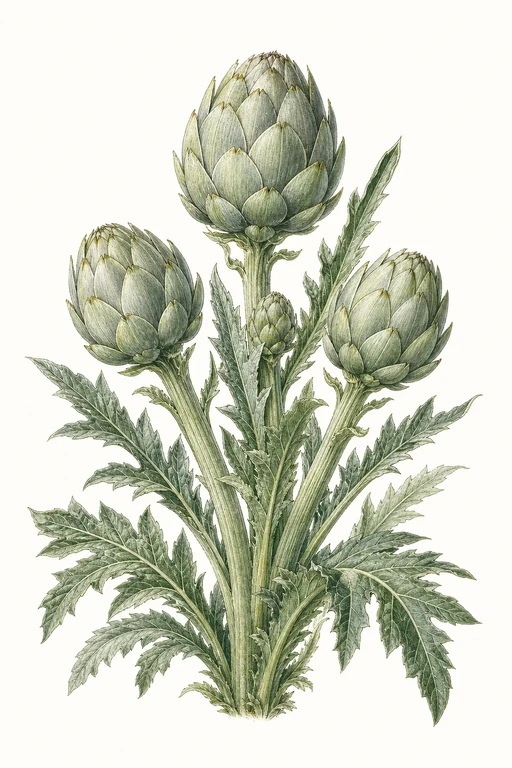
Unfurling into regal, globe-like buds with a silken, silvery-green sheen, Artichoke offers a tender, richly savory promise in every tightly layered bract.
The mature heads feel substantial and firm to the touch, yet yield with a delicate, nuanced bite that shines in classic preparations—roasted for deep caramel notes, steamed for gentle sweetness, or folded into creamy sauces and preserved for bright, tangy accents. Grow it for a long-season spectacle and a harvest that feels like a garden treasure from the first showy bud to the last lingering plume.
Light: Full SunMaturity: 150 DaysHabit: Clumping
Location not set yet
Location not set yet
Enter your ZIP for local crop dates
Artichoke Planting Dates by USDA Zone
Estimated US hardiness-zone windows for sow, transplant, and harvest. Enter a US ZIP above for exact local dates, or open a zone below.
| Zone | Start Indoors | Sow / Transplant | Harvest |
|---|---|---|---|
| Zone 1a | Mar 23rd | Jun 1st | Oct 29th – Jul 15th |
| Zone 1b | Mar 9th | May 18th | Oct 15th – Aug 1st |
| Zone 2a | Mar 2nd | May 11th | Oct 8th – Aug 29th |
| Zone 2b | Feb 20th | May 1st | Sep 28th – Aug 25th |
| Zone 3a | Feb 20th | May 1st | Sep 28th – Sep 1st |
| Zone 3b | Feb 24th | May 5th | Oct 2nd – Sep 21st |
| Zone 4a | Feb 20th | May 1st | Sep 28th – Sep 24th |
| Zone 4b | Feb 18th | Apr 29th | Sep 26th – Sep 27th |
| Zone 5a | Feb 13th | Apr 24th | Sep 21st – Sep 30th |
| Zone 5b | Feb 9th | Apr 20th | Sep 17th – Oct 5th |
| Zone 6a | Feb 6th | Apr 17th | Sep 14th – Oct 10th |
| Zone 6b | Jan 31st | Apr 11th | Sep 8th – Oct 16th |
| Zone 7a | Jan 26th | Apr 6th | Sep 3rd – Oct 20th |
| Zone 7b | Jan 16th | Mar 27th | Aug 24th – Oct 28th |
| Zone 8a | Jan 7th | Mar 18th | Aug 15th – Nov 5th |
| Zone 8b | Dec 29th | Mar 9th | Aug 6th – Nov 12th |
| Zone 9a | Dec 12th | Feb 20th | Jul 20th – Nov 26th |
| Zone 9b | Nov 17th | Jan 26th | Jun 25th – Dec 9th |
| Zone 10a | — | Oct 1st | Feb 28th – Feb 28th |
| Zone 10b | — | Oct 1st | Feb 28th – Feb 28th |
| Zone 11a | — | Oct 1st | Feb 28th – Feb 28th |
| Zone 11b | — | Oct 1st | Feb 28th – Feb 28th |
| Zone 12a | — | Oct 1st | Feb 28th – Feb 28th |
| Zone 12b | — | Oct 1st | Feb 28th – Feb 28th |
| Zone 13a | — | Oct 1st | Feb 28th – Feb 28th |
| Zone 13b | — | Oct 1st | Feb 28th – Feb 28th |
Crop Details
| Trait | Value |
|---|---|
| Days to Maturity | 150 |
| Sun Requirements | Full Sun |
| Growth Habit | Clumping |
| Support Needed | None |
| Planting Depth | Normal |
| Germination Temp (°F) | 70 |
| Min Soil Temp (°F) | 40 |
| Min Night Temp (°F) | 35 |
| Harden Off (days) | 7 |
Culinary Notes

Chef's Note
Choose this for its tightly layered bracts that go from firm to luxuriously tender without collapsing—ideal for roasting where the nuttiness turns caramel-bitter at the edges. Its bittersweet core loves acid and fat, so lemon and butter/olive oil aren’t garnish here—they’re the mechanism that makes the flavor click.

Best Uses
- roast until the outer bracts blister for caramelized edges and pull-apart tenderness
- steam or braise, then dress with lemon, olive oil, and a salty finish
- fold into creamy sauces (ridged pasta, gratins) where the fibers go silky
- marinate/pickle for tangy, briny bites that cut richness

Flavor Profile

Kitchen Pairings
Frequently Asked Questions
What pest or disease commonly affects artichokes (Cynara cardunculus), and what should I do?
How often should I water artichokes during the main growing phase?
How can I tell when artichokes are ready to harvest?
Sowing Tips

Transplant Conditions
Wait until soil reaches 40°F and nights stay above 35°F before moving outdoors. Harden off for 7 days first.
Expert Note

Start early (often from seed) and transplant into well-drained soil once nights are reliably cool; artichokes prefer cool temps and will stall in prolonged hot weather.