
Athena
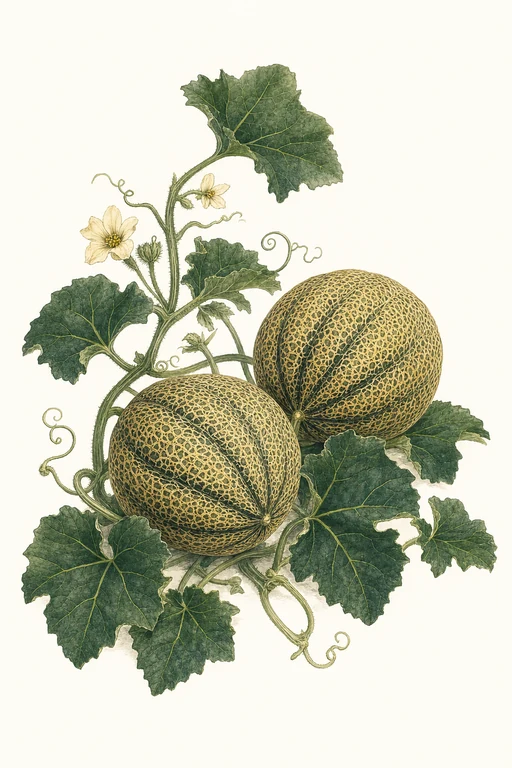
Sun-warmed, honeyed aroma rises from Athena’s deep netted rind as the flesh turns saturated salmon-amber—sweet, fragrant, and richly satisfying.
Expect a tender, juicy bite with a smooth, melting texture that shines whether you savor it straight from the garden or use it to brighten fruit salads and refreshing drinks. Athena’s dependable 75-day rhythm makes it a standout for home growers seeking a cantaloupe with true market-class flavor and an eye-catching finish.
Light: Full SunMaturity: 75 DaysHabit: Vine
Planting schedules and alerts are optimized for Columbus (Zone 6b).
Crop Dates
| Milestone | Date |
|---|---|
| Start Indoors | Apr 11th |
| Last Frost | Apr 25th |
| Transplant / Sow Outdoors | Apr 25th |
| Harvest Begins | Jul 9th |
| Harvest Ends | Oct 16th |
Crop Details
| Trait | Value |
|---|---|
| Days to Maturity | 75 |
| Sun Requirements | Full Sun |
| Growth Habit | Vine |
| Support Needed | Trellis |
| Planting Depth | Normal |
| Germination Temp (°F) | 70 |
| Min Soil Temp (°F) | 65 |
| Min Night Temp (°F) | 55 |
| Harden Off (days) | 12 |
Culinary Notes

Chef's Note
Athena leans hard into cantaloupe’s honeyed aroma—when it’s cold, the flesh goes silky and gives you that melt-on-the-tongue bite. It’s built for pairing with sharp acidity and salty fats (lime, mint, prosciutto, feta) so the sweetness reads crisp instead of cloying.

Best Uses
- cold fruit salad where it stays spoonable, not watery
- iced smoothies and agua-fresca—pureed for a silken body
- prosciutto-and-melon style platters with a quick squeeze of citrus
- chilled salsa for fish or shrimp—sweet fruit chunks that brighten the plate

Flavor Profile

Frequently Asked Questions
How do I manage early blight on Athena tomato plants?
How often should I water Athena tomatoes during the 6–10 week main growing phase?
What are the signs Athena tomatoes are ready to harvest?
Sowing Tips

Transplant Conditions
Wait until soil reaches 65°F and nights stay above 55°F before moving outdoors. Harden off for 12 days first.

Direct Sow Preferred
Sensitive roots — does not transplant well. If starting indoors, use biodegradable pots and disturb roots as little as possible when moving outdoors.
Expert Note

For best early harvest, start plants only briefly indoors (to minimize root disturbance) and transplant into warm soil after nighttime temperatures stay consistently above the high-40s to 50°F range.