
Atlas Angel
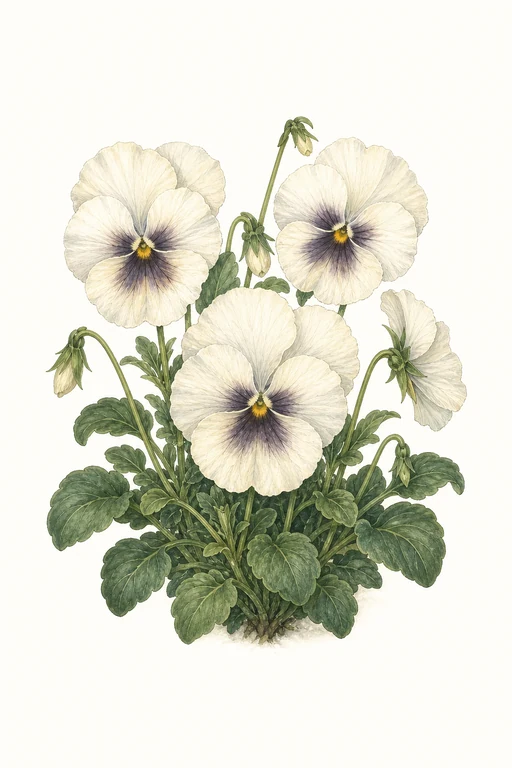
Velvety blooms arrive in a painterly spectrum, with Atlas Angel’s signature face—soft, luminous petals washed in pale angelic tones and framed by a deeper, velvety eye.
Each flower carries a plush, slightly ruffled texture that catches light like satin, making it irresistible in beds and borders. Ideal for long-lasting garden color, Atlas Angel shines as a showy focal in spring displays and as a dependable, cool-season companion for mixed plantings.
Light: Full SunMaturity: 70 DaysHabit: Rosette
Crop Dates : 7b
| Milestone | Date |
|---|---|
| Start Indoors | Jan 30th |
| Last Frost | Apr 10th |
| Transplant / Sow Outdoors | Apr 3rd |
| Harvest Begins | Jun 12th |
| Harvest Ends | Oct 28th |
Crop Details
| Trait | Value |
|---|---|
| Days to Maturity | 70 |
| Sun Requirements | Full Sun |
| Growth Habit | Rosette |
| Support Needed | None |
| Planting Depth | Normal |
| Germination Temp (°F) | 65 |
| Min Soil Temp (°F) | 40 |
| Min Night Temp (°F) | 28 |
| Harden Off (days) | 7 |
Culinary Notes

Chef's Note
Atlas Angel pansies are edible in name and in bite—think mild, sweet-floral petals with a plush, satin mouthfeel that stays elegant rather than assertive. Use them as a finishing move on cold, bright flavors (lemon, yogurt, vinegar) or against something rich like dark chocolate so their delicate perfume doesn’t get steamrolled.

Best Uses
- ice-cold plating garnish over lemony yogurt or sorbet
- toss into a restrained salad to keep the bite airy (minimal dressing)
- float on top of cocktails or sparkling drinks for a clean visual pop
- fold into finishing salts for a quick ‘pretty but subtle’ crunch

Flavor Profile

Kitchen Pairings
Frequently Asked Questions
What pest or disease most commonly affects Viola × wittrockiana (Atlas Angel), and how can I treat it?
How often should I water Atlas Angel pansies during the main growing phase?
How do I know when Viola × wittrockiana ‘Atlas Angel’ is ready to harvest (for flowers/leaves)?
Sowing Tips

Transplant Conditions
Wait until soil reaches 40°F and nights stay above 28°F before moving outdoors. Harden off for 7 days first.
Expert Note

For the strongest golden blooms, grow pansies in cool weather—aim to transplant just before/around frost-free conditions and keep them evenly moist.