
Baby Beet
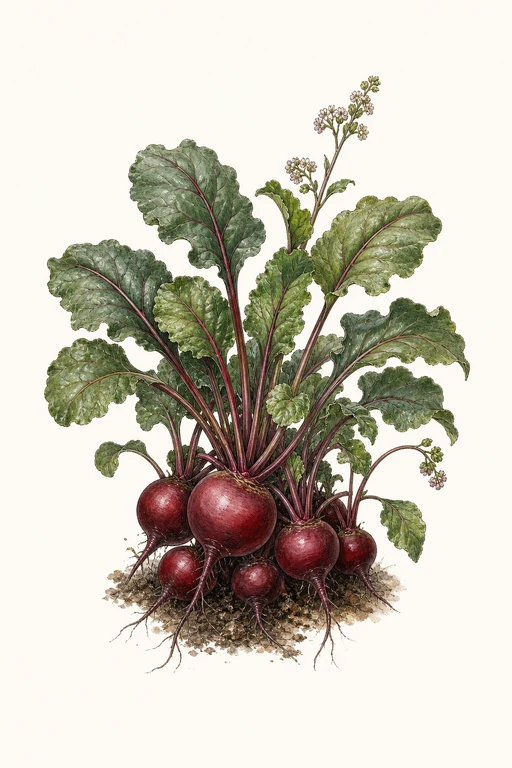
Sweet, tender baby beets emerge with a jewel-bright, deep garnet-red glow—so vivid they seem to catch the light even in the garden.
At about 45 days, the roots are small and round with a fine, velvety texture and a pleasantly earthy-sweet flavor that stays delicate rather than woody. Ideal for fresh bunches, vibrant salads, and quick pickling, Baby Beet brings color and charm to every harvest basket.
Light: Full SunMaturity: 45 DaysHabit: Rosette
Crop Dates : 3a
| Milestone | Date |
|---|---|
| Start Indoors | Direct Sow |
| Last Frost | May 15th |
| Transplant / Sow Outdoors | May 15th |
| Harvest Begins | Jun 29th |
| Harvest Ends | Sep 1st |
Crop Details
| Trait | Value |
|---|---|
| Days to Maturity | 45 |
| Sun Requirements | Full Sun |
| Growth Habit | Rosette |
| Support Needed | None |
| Planting Depth | Normal |
| Germination Temp (°F) | 60 |
| Min Soil Temp (°F) | 45 |
| Min Night Temp (°F) | 28 |
| Harden Off (days) | Not Required |
Culinary Notes

Chef's Note
Baby beets are the small, tender window where sweetness wins and the earth stays elegant—great for slicing without the chewy fiber you get from older roots. They also pickle like a dream: the color is intense, and the texture holds a crisp bite instead of turning mealy.

Best Uses
- warm-or-cold bistro-style salad: toss with vinaigrette while still slightly warm so they gloss
- quick pickle/quick refrigerator brine for clean snap and vivid color
- roast or steam briefly, then serve as glossy rounds with butter and herbs
- micro-plate banchan: sliced beets with lemony yogurt for a cool, stained bite

Flavor Profile

Kitchen Pairings
Frequently Asked Questions
My baby beets have spotted, yellowing leaves—what pest or disease is this and how do I fix it?
How often should I water baby beets during the main growing phase so the roots stay tender?
How can I tell when baby beets are ready to harvest?
Sowing Tips

Transplant Conditions
Wait until soil reaches 45°F and nights stay above 28°F before moving outdoors.
Expert Note

For consistently tender baby beets, sow in cool weather and keep the soil evenly moist so roots expand quickly without becoming fibrous.