
Bergamo
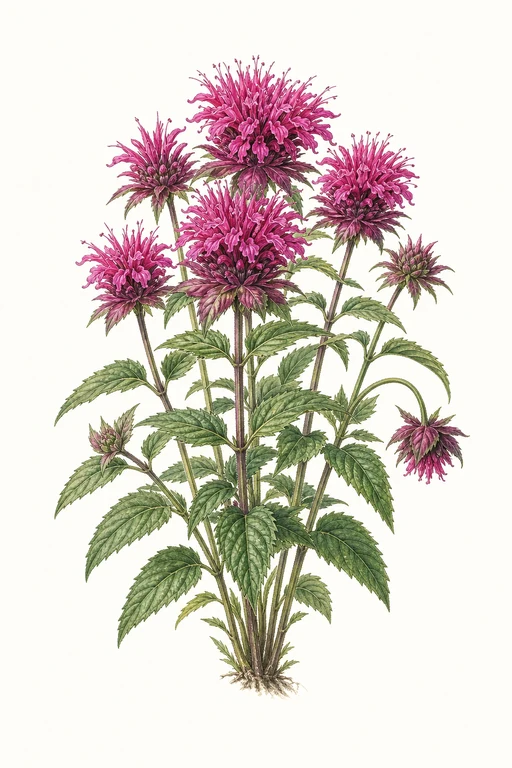
A blaze of bee balm color—vivid, aromatic blooms that seem to glow above finely textured foliage—makes ‘Bergamo’ irresistible from the first buds to the late-season flush.
Expect a fragrant, minty-herb character with a bright, floral lift, and leaves that feel crisp and finely veined when gathered fresh. ‘Bergamo’ shines as a fragrant garden herb for drying and steeping, and its long-lasting flowers are especially prized for infusions and floral blends that capture its lively, nectar-rich essence.
Light: Full SunMaturity: 75 DaysHabit: Upright
Planting schedules and alerts are optimized for Columbus (Zone 6b).
Crop Dates
| Milestone | Date |
|---|---|
| Start Indoors | Direct Sow |
| Last Frost | Apr 25th |
| Transplant / Sow Outdoors | Apr 25th |
| Harvest Begins | Jul 9th |
| Harvest Ends | Oct 16th |
Crop Details
| Trait | Value |
|---|---|
| Days to Maturity | 75 |
| Sun Requirements | Full Sun |
| Growth Habit | Upright |
| Support Needed | None |
| Planting Depth | Surface |
| Germination Temp (°F) | 65 |
| Min Soil Temp (°F) | 40 |
| Min Night Temp (°F) | 35 |
| Harden Off (days) | 7 |
Culinary Notes

Chef's Note
‘Bergamo’ bee balm hits like a clean mint-herb with a noticeable floral perfume, which makes it stand up in steeped drinks and vinegars without turning soapy. Use the fresh leaves quickly—bruise them and pour over hot or acidic liquid—so the aromatics bloom fast and stay crisp rather than fading.

Best Uses
- steeped tea or hot/iced herb infusions
- dried leaf and flower for long-cook steeping and sachets
- floral infusions for cocktails, spritzers, and syrups
- finishing herb for salads and fruit with a quick bruise

Flavor Profile

Kitchen Pairings
Frequently Asked Questions
What pest or disease problem commonly affects Monarda fistulosa (wild bergamot), and how do I treat it?
How often should I water Monarda fistulosa during its main growing phase?
How can I tell when Monarda fistulosa is ready to harvest?
Sowing Tips

Transplant Conditions
Wait until soil reaches 40°F and nights stay above 35°F before moving outdoors. Harden off for 7 days first.
Expert Note

For best results, start Monarda from seed indoors only if you can stay consistent with moisture, warmth, and light—otherwise sow on the surface after frost and thin once established.