
Big Apple
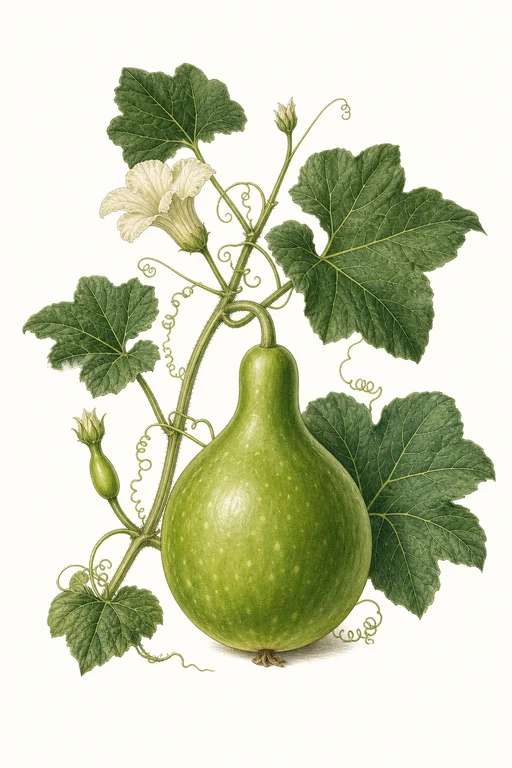
Sink your senses into Big Apple’s crisp, cool fragrance and its smooth, applelike bottle form that’s as satisfying to grow as it is to display.
The flesh is tender and lightly sweet, with a clean, juicy bite that shines in fresh slices, quick sauté-style preparations, and hearty simmered dishes, while its mild character also takes beautifully to pickling and preserves. For the home gardener, Big Apple delivers a long, rewarding season—95 days to maturity—ending with a harvest that feels both abundant and elegant.
Light: Full SunMaturity: 95 DaysHabit: Vine
Planting schedules and alerts are optimized for Columbus (Zone 6b).
Crop Dates
| Milestone | Date |
|---|---|
| Start Indoors | Apr 11th |
| Last Frost | Apr 25th |
| Transplant / Sow Outdoors | Apr 25th |
| Harvest Begins | Jul 29th |
| Harvest Ends | Oct 16th |
Crop Details
| Trait | Value |
|---|---|
| Days to Maturity | 95 |
| Sun Requirements | Full Sun |
| Growth Habit | Vine |
| Support Needed | Trellis |
| Planting Depth | Normal |
| Germination Temp (°F) | 70 |
| Min Soil Temp (°F) | 65 |
| Min Night Temp (°F) | 55 |
| Harden Off (days) | 12 |
Culinary Notes

Chef's Note
Big Apple bottle gourd has that refreshing, apple-leaning crunch—mild enough to take on sharp aromatics but juicy enough to keep salads lively. Use it fast (stir-fry, sauté) for a clean bite, or pickle it so the texture stays crisp instead of collapsing.

Best Uses
- thin slices for fresh salads that stay snappy
- quick sauté or stir-fry where it goes tender without turning spongy
- pickling for a crisp, briny bite
- simmered in stews/soups to add body without dominating

Flavor Profile

Kitchen Pairings
Frequently Asked Questions
How do I manage aphids on Big Apple vegetables without damaging the plants?
How often should I water Big Apple plants during the main growing phase?
How can I tell when Big Apple is ready to harvest at about 95 days?
Sowing Tips

Transplant Conditions
Wait until soil reaches 65°F and nights stay above 55°F before moving outdoors. Harden off for 12 days first.

Direct Sow Preferred
Sensitive roots — does not transplant well. If starting indoors, use biodegradable pots and disturb roots as little as possible when moving outdoors.
Expert Note

Warm soil is key—start when nights are consistently warm and keep vines well-watered early to establish quickly.