
Big Beef
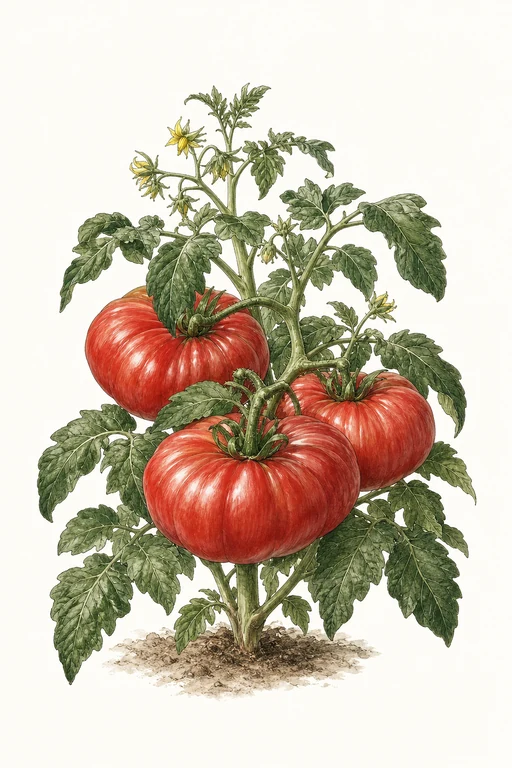
Sink your senses into Big Beef’s lush, meaty abundance—an extra-large beefsteak tomato with a rich, classic tomato fragrance and a beautifully balanced sweetness.
The flesh is dense and juicy with a smooth, velvety bite, making it a showpiece for bold slices and hearty, garden-fresh presentations. Grow Big Beef for a dependable, midseason harvest that delivers impressive size and satisfying texture from one sturdy plant.
Light: Full SunMaturity: 90 DaysHabit: Indeterminate
Location not set yet
Location not set yet
Enter your ZIP for local crop dates
Big Beef Planting Dates by USDA Zone
Estimated US hardiness-zone windows for sow, transplant, and harvest. Enter a US ZIP above for exact local dates, or open a zone below.
| Zone | Start Indoors | Sow / Transplant | Harvest |
|---|---|---|---|
| Zone 1a | Protected Environment Only | ||
| Zone 1b | Protected Environment Only | ||
| Zone 2a | Apr 6th | Jul 20th | Oct 18th – Aug 29th |
| Zone 2b | Mar 27th | Jul 10th | Oct 8th – Aug 25th |
| Zone 3a | Mar 27th | Jul 10th | Oct 8th – Sep 1st |
| Zone 3b | Mar 31st | Jul 14th | Oct 12th – Sep 21st |
| Zone 4a | Mar 27th | Jul 10th | Oct 8th – Sep 24th |
| Zone 4b | Mar 25th | Jul 8th | Oct 6th – Sep 27th |
| Zone 5a | Mar 20th | Jul 3rd | Oct 1st – Sep 30th |
| Zone 5b | Mar 16th | Jun 29th | Sep 27th – Oct 5th |
| Zone 6a | Mar 13th | Jun 26th | Sep 24th – Oct 10th |
| Zone 6b | Mar 7th | Jun 20th | Sep 18th – Oct 16th |
| Zone 7a | Mar 2nd | Jun 15th | Sep 13th – Oct 20th |
| Zone 7b | Feb 20th | Jun 5th | Sep 3rd – Oct 28th |
| Zone 8a | Feb 11th | May 27th | Aug 25th – Nov 5th |
| Zone 8b | Feb 2nd | May 18th | Aug 16th – Nov 12th |
| Zone 9a | Jan 16th | May 1st | Jul 30th – Nov 26th |
| Zone 9b | Dec 22nd | Apr 6th | Jul 5th – Dec 9th |
| Zone 10a | Continuous Production | ||
| Zone 10b | Continuous Production | ||
| Zone 11a | Continuous Production | ||
| Zone 11b | Continuous Production | ||
| Zone 12a | Continuous Production | ||
| Zone 12b | Continuous Production | ||
| Zone 13a | Continuous Production | ||
| Zone 13b | Continuous Production | ||
Crop Details
| Trait | Value |
|---|---|
| Days to Maturity | 90 |
| Sun Requirements | Full Sun |
| Growth Habit | Indeterminate |
| Support Needed | Cage |
| Planting Depth | Deep |
| Germination Temp (°F) | 75 |
| Min Soil Temp (°F) | 60 |
| Min Night Temp (°F) | 50 |
| Harden Off (days) | 10 |
Culinary Notes

Chef's Note
Big Beef’s beefsteak heft gives you meaty, low-collapsing slices with velvety texture—ideal when you want tomato to show up as the star, not just juice in the background. It plays especially well with fats and sharpeners (olive oil, mozzarella, balsamic) because the sweetness and acidity stay balanced instead of turning watery.

Best Uses
- thick slice caprese—salted and plated so it doesn’t collapse
- hot sear or grill slices for charred edges and jammy interior
- BLT-style sandwiches where the tomato holds structure
- slow-simmered tomato ragù or spoonable sauce that clings

Flavor Profile

Kitchen Pairings
Frequently Asked Questions
My Big Beef tomato has leaves turning yellow with small white patches—what pest/disease is it and what should I do?
How often should I water Big Beef tomatoes during the main growing phase (after transplanting)?
When is Big Beef ready to harvest, and how can I tell without guessing?
Sowing Tips

Transplant Conditions
Wait until soil reaches 60°F and nights stay above 50°F before moving outdoors. Harden off for 10 days first.
Expert Note

Start Big Beef early and transplant only when night temps stay ~50°F+ and soil is reliably warm (60°F+), then stake/cage early to prevent bent stems.