
Black Pearl
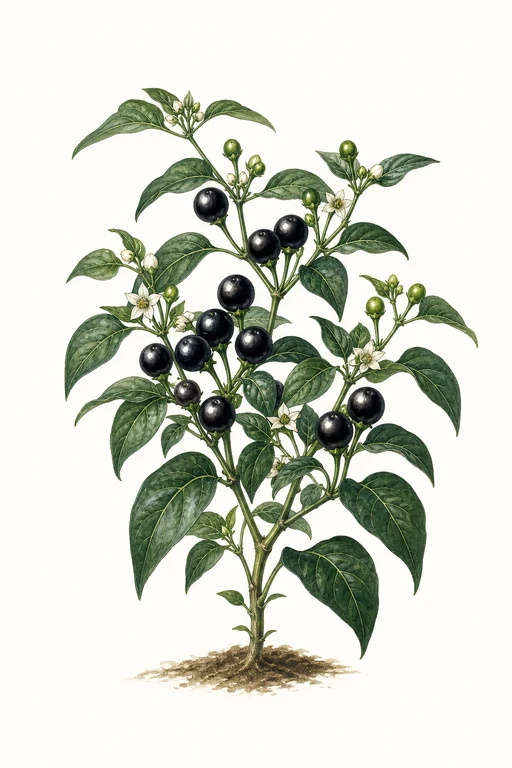
Indigo-black, glossy “pearls” hang like polished beads from sturdy stems, offering a striking, lantern-bright contrast against the foliage.
Black Pearl peppers develop a smooth, firm skin and a compact, rounded shape that ripens from deep green to near-black with a subtle, peppery bite that’s as bold as its color. Grow for show in beds and containers—ideal for ornamental displays and vivid, living color that matures in about 80 days.
Light: Full SunMaturity: 80 DaysHabit: Bush
Location not set yet
Location not set yet
Enter your ZIP for local crop dates
Black Pearl Planting Dates by USDA Zone
Estimated US hardiness-zone windows for sow, transplant, and harvest. Enter a US ZIP above for exact local dates, or open a zone below.
| Zone | Start Indoors | Sow / Transplant | Harvest |
|---|---|---|---|
| Zone 1a | Protected Environment Only | ||
| Zone 1b | Protected Environment Only | ||
| Zone 2a | Apr 6th | Jul 20th | Oct 8th – Aug 29th |
| Zone 2b | Mar 27th | Jul 10th | Sep 28th – Aug 25th |
| Zone 3a | Mar 27th | Jul 10th | Sep 28th – Sep 1st |
| Zone 3b | Mar 31st | Jul 14th | Oct 2nd – Sep 21st |
| Zone 4a | Mar 27th | Jul 10th | Sep 28th – Sep 24th |
| Zone 4b | Mar 25th | Jul 8th | Sep 26th – Sep 27th |
| Zone 5a | Mar 20th | Jul 3rd | Sep 21st – Sep 30th |
| Zone 5b | Mar 16th | Jun 29th | Sep 17th – Oct 5th |
| Zone 6a | Mar 13th | Jun 26th | Sep 14th – Oct 10th |
| Zone 6b | Mar 7th | Jun 20th | Sep 8th – Oct 16th |
| Zone 7a | Mar 2nd | Jun 15th | Sep 3rd – Oct 20th |
| Zone 7b | Feb 20th | Jun 5th | Aug 24th – Oct 28th |
| Zone 8a | Feb 11th | May 27th | Aug 15th – Nov 5th |
| Zone 8b | Feb 2nd | May 18th | Aug 6th – Nov 12th |
| Zone 9a | Jan 16th | May 1st | Jul 20th – Nov 26th |
| Zone 9b | Dec 22nd | Apr 6th | Jun 25th – Dec 9th |
| Zone 10a | Continuous Production | ||
| Zone 10b | Continuous Production | ||
| Zone 11a | Continuous Production | ||
| Zone 11b | Continuous Production | ||
| Zone 12a | Continuous Production | ||
| Zone 12b | Continuous Production | ||
| Zone 13a | Continuous Production | ||
| Zone 13b | Continuous Production | ||
Crop Details
| Trait | Value |
|---|---|
| Days to Maturity | 80 |
| Sun Requirements | Full Sun |
| Growth Habit | Bush |
| Support Needed | Cage |
| Planting Depth | Normal |
| Germination Temp (°F) | 80 |
| Min Soil Temp (°F) | 60 |
| Min Night Temp (°F) | 50 |
| Harden Off (days) | 10 |
Culinary Notes

Chef's Note
Black Pearl’s compact, firm pods keep their shape, so the heat reads crisp and immediate—great when you want pepper flavor without mushy texture. The dark, near-black ripeness gives a clean, pepper-forward bite that plays nicely with sour fats like lime and vinegar.

Best Uses
- quick-pickled pepper “pearls” for pop-and-go acidity
- thin-sliced garnish on tacos, flatbreads, and smoked meats
- chopped into a flash-fry oil to perfume heat without turning bitter
- stuffing and oven-roasting until the skin blisters and the interior softens

Flavor Profile

Frequently Asked Questions
Black Pearl (black cherry) tomato: what should I do if I see blossom-end rot or gray, fuzzy fruit spots?
How often should I water Black Pearl during the main growing phase (after flowering), and what soil moisture target should I aim for?
How can I tell when Black Pearl is ready to harvest?
Sowing Tips

Transplant Conditions
Wait until soil reaches 60°F and nights stay above 50°F before moving outdoors. Harden off for 10 days first.
Expert Note

Transplant only when soil is reliably warm (60°F+) and then keep evenly watered to prevent cracking and blossom-end rot.