
Black Satin
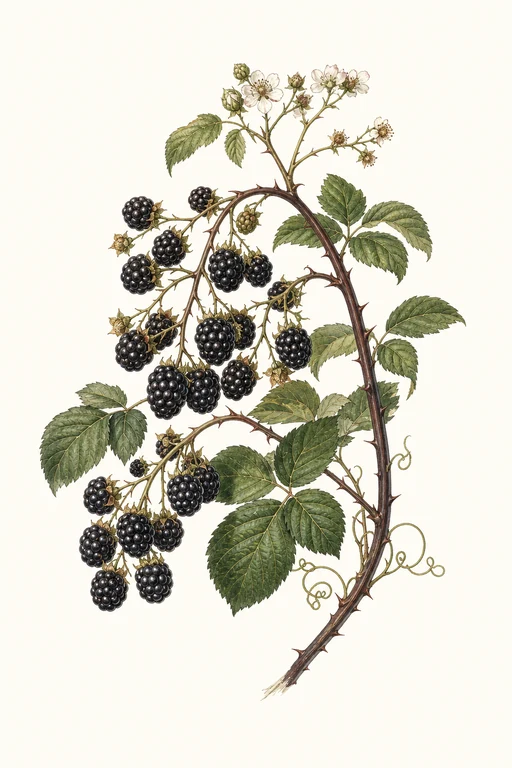
Sink your senses into Black Satin’s glossy, near-black berries—silken to the eye and richly aromatic at harvest.
Each fruit hangs in graceful clusters, delivering a balanced blackberry tang with a smooth, juicy bite and a tender, berry-soft texture that shines in fresh gatherings. Grow Black Satin for abundant, garden-ready fruiting that’s tailor-made for jams, sauces, and deep-purple preserves—an heirloom-worthy showpiece from late spring into summer.
Light: Full SunMaturity: 60 DaysHabit: Vine
Planting schedules and alerts are optimized for Columbus (Zone 6b).
Crop Dates
| Milestone | Date |
|---|---|
| Start Indoors | Direct Sow |
| Last Frost | Apr 25th |
| Transplant / Sow Outdoors | Apr 25th |
| Harvest Begins | Jun 24th |
| Harvest Ends | Oct 16th |
Crop Details
| Trait | Value |
|---|---|
| Days to Maturity | 60 |
| Sun Requirements | Full Sun |
| Growth Habit | Vine |
| Support Needed | Trellis |
| Planting Depth | Normal |
| Germination Temp (°F) | 70 |
| Min Soil Temp (°F) | 45 |
| Min Night Temp (°F) | 28 |
| Harden Off (days) | Not Required |
Culinary Notes

Chef's Note
Black Satin blackberries lean fragrant and supple, so they turn glossy and spoonable when heated rather than staying stubbornly whole. Use them for fast reductions and jam/preserve where their tang can sharpen butter, dairy, and rich meats without getting harsh.

Best Uses
- stove-top blackberry compote for topping pancakes or stirring into yogurt
- jam and preserve where the fruit softens into a silky set
- quick-reduction sauce for venison, duck, or lamb

Flavor Profile

Kitchen Pairings
Frequently Asked Questions
How do I control downy mildew on Black Satin (60-day) plants?
How often should I water Black Satin during the main growing phase?
When is Black Satin ready to harvest?
Sowing Tips

Transplant Conditions
Wait until soil reaches 45°F and nights stay above 28°F before moving outdoors.
Expert Note

Plant early so roots establish before hot weather—set canes/transplants in full sun and train immediately to a trellis for best yield and airflow.