
Black Turtle
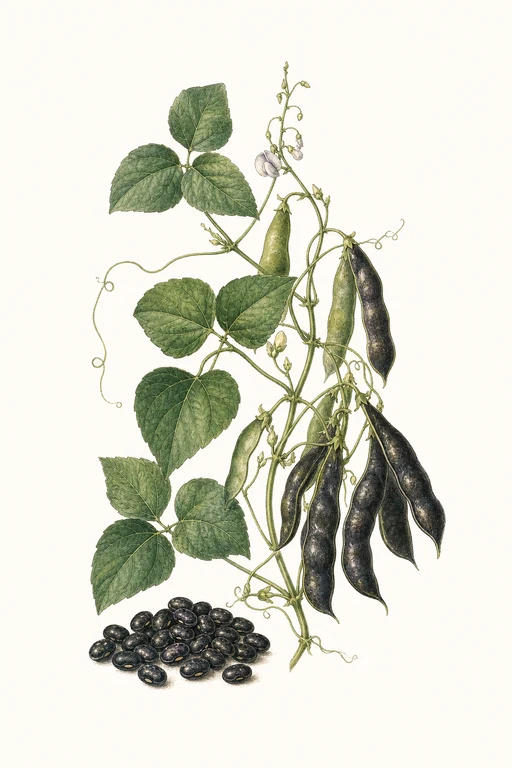
Sink your spoon into the velvety, inky allure of Black Turtle beans—each seed holds a rich, near-black sheen with a pleasantly firm bite and a subtly earthy, savory depth.
As the season unfolds to about 100 days, plants build sturdy, productive pods that mature into dependable, uniform harvests for home gardeners who love dependable results. Black Turtle shines for hearty pot-style favorites, robust purées, and deeply flavored sauces, and it also makes a striking addition to bean-forward salads and pickled preparations.
Light: Full SunMaturity: 100 DaysHabit: Bush
Planting schedules and alerts are optimized for Columbus (Zone 6b).
Crop Dates
| Milestone | Date |
|---|---|
| Start Indoors | Direct Sow |
| Last Frost | Apr 25th |
| Transplant / Sow Outdoors | Apr 25th |
| Harvest Begins | Aug 3rd |
| Harvest Ends | Oct 16th |
Crop Details
| Trait | Value |
|---|---|
| Days to Maturity | 100 |
| Sun Requirements | Full Sun |
| Growth Habit | Bush |
| Support Needed | None |
| Planting Depth | Normal |
| Germination Temp (°F) | 70 |
| Min Soil Temp (°F) | 60 |
| Min Night Temp (°F) | 50 |
| Harden Off (days) | Not Required |
Culinary Notes

Chef's Note
Black Turtle is built for the long simmer: it stays pleasantly firm while developing an inky, savory mouthfeel that turns glossy as starches emulsify. Cook it down in a sauce or purée it—its texture keeps a satisfying chew that doesn’t collapse into paste.

Best Uses
- slow-braised bean pot with aromatics until the sauce turns silky
- thick purée or mash that clings to the spoon (and bread) without going grainy
- smoky, saucy chili or ragù-style bean base
- bean salads or warm grain bowls where the beans need to stay intact

Flavor Profile

Frequently Asked Questions
Why are my Black Turtle beans turning leaves yellow and getting a fuzzy gray mold at the soil line?
How often should I water Black Turtle beans during the main growing phase (after plants emerge)?
How can I tell when Black Turtle beans are ready to harvest?
Sowing Tips

Transplant Conditions
Wait until soil reaches 60°F and nights stay above 50°F before moving outdoors.
Expert Note

Direct-sow after soil warms and keep beds evenly moist until emergence; dry beans hate cold, wet soil and do not transplant well.