
Blenheim Orange
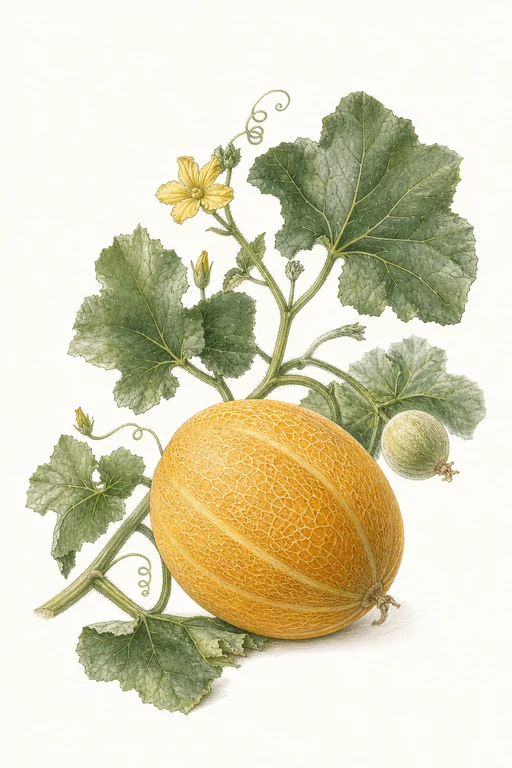
Blenheim Orange honeydew greets you with a sun-warmed, honeyed aroma and a richly perfumed sweetness that feels almost floral.
At maturity, the flesh turns a luminous warm butter-orange with a tender, melt-in-your-mouth texture—ideal for refreshing slices and for showcasing in fruit-forward salads, chilled drinks, and vibrant preserves. Grow this 85-day favorite for a striking harvest that looks as radiant as it tastes, with vines that reward careful attention from first bloom to golden fruit.
Light: Full SunMaturity: 85 DaysHabit: Vine
Planting schedules and alerts are optimized for Columbus (Zone 6b).
Crop Dates
| Milestone | Date |
|---|---|
| Start Indoors | Apr 18th |
| Last Frost | Apr 25th |
| Transplant / Sow Outdoors | May 2nd |
| Harvest Begins | Jul 26th |
| Harvest Ends | Oct 16th |
Crop Details
| Trait | Value |
|---|---|
| Days to Maturity | 85 |
| Sun Requirements | Full Sun |
| Growth Habit | Vine |
| Support Needed | Trellis |
| Planting Depth | Normal |
| Germination Temp (°F) | 70 |
| Min Soil Temp (°F) | 70 |
| Min Night Temp (°F) | 55 |
| Harden Off (days) | 12 |
Culinary Notes

Chef's Note
Blenheim Orange honeydew is built for cool eating: its butter-orange flesh goes tender and juicy, with a honeyed, faintly floral perfume that doesn’t need heavy seasoning. Use bright partners like lime and mint to sharpen the sweetness, or let it shine against salty fats (prosciutto, feta) so every bite feels clean and refreshing.

Best Uses
- chilled melon slices with lime and flaky salt
- fruit-forward salad where it stays delicate under vinaigrette
- blended cold soups for a silky, perfumed sip
- quick preserves or cordial where its honey notes perfume the sugar

Flavor Profile

Frequently Asked Questions
Why are my Blenheim Orange plants developing fuzzy gray mold and leaves turning brown, and how can I stop it?
How often should I water Blenheim Orange during the main growing phase to keep fruit from cracking or splitting?
How do I tell when Blenheim Orange is ready to harvest at about 85 days?
Sowing Tips

Transplant Conditions
Wait until soil reaches 70°F and nights stay above 55°F before moving outdoors. Harden off for 12 days first.

Direct Sow Preferred
Sensitive roots — does not transplant well. If starting indoors, use biodegradable pots and disturb roots as little as possible when moving outdoors.
Expert Note

Warm the soil with black plastic and transplant only when nights are reliably warm to prevent vine chilling and poor fruit set.