
Blue Coco
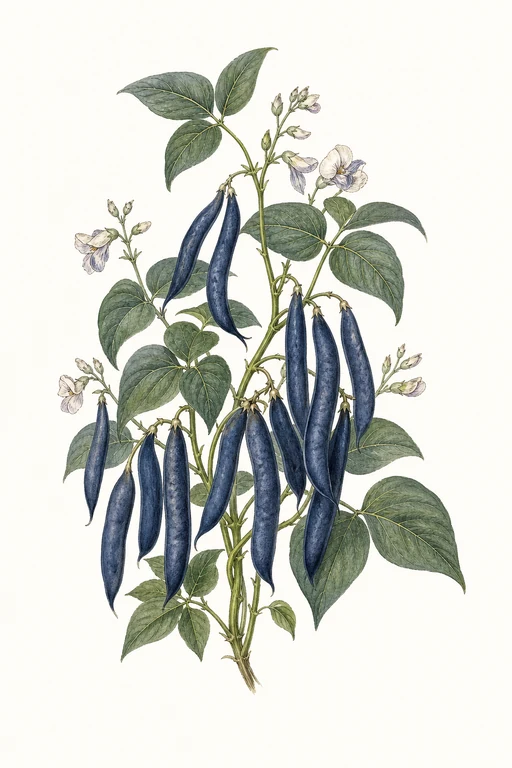
Indigo-blue pods and richly colored beans bring a striking, velvety beauty to the garden long before harvest—then the dry beans deliver a smooth, creamy interior when rehydrated.
Blue Coco’s seeds hold their shape with a pleasing, tender bite, making them especially satisfying for hearty pot-style favorites and robust bean-forward recipes. Grow them for a season-long spectacle of deep blue color and a pantry staple you’ll reach for again and again.
Light: Full SunMaturity: 75 DaysHabit: Vine
Planting schedules and alerts are optimized for Columbus (Zone 6b).
Crop Dates
| Milestone | Date |
|---|---|
| Start Indoors | Direct Sow |
| Last Frost | Apr 25th |
| Transplant / Sow Outdoors | Apr 25th |
| Harvest Begins | Jul 9th |
| Harvest Ends | Oct 16th |
Crop Details
| Trait | Value |
|---|---|
| Days to Maturity | 75 |
| Sun Requirements | Full Sun |
| Growth Habit | Vine |
| Support Needed | Trellis |
| Planting Depth | Normal |
| Germination Temp (°F) | 70 |
| Min Soil Temp (°F) | 60 |
| Min Night Temp (°F) | 50 |
| Harden Off (days) | Not Required |
Culinary Notes

Chef's Note
Blue Coco’s indigo-blue beans cook into a notably creamy, velvety interior while still keeping a tender, chewable shape—exactly what you want when beans should be the main event, not just a background player. Use them in long, brothy simmering applications where their body thickens the pot without going pasty.

Best Uses
- soaked-and-simmered beans for chili or thick bean stews
- smooth purées for bean dip or spread with a drizzle of olive oil
- bean-forward soups where they thicken without graininess
- hot-season rice or grain bowls—warm beans keep their shape

Flavor Profile

Frequently Asked Questions
Why are my Blue Coco leaves turning yellow with sticky residue and black soot, and what should I do?
How often should I water Blue Coco during the main growing phase?
How do I know when Blue Coco is ready to harvest at ~75 days?
Sowing Tips

Transplant Conditions
Wait until soil reaches 60°F and nights stay above 50°F before moving outdoors.
Expert Note

Pole beans like Blue Coco perform best when direct-sown after soil warms and they establish a strong root system in place—avoid transplanting.