
Borlotto Firetongue
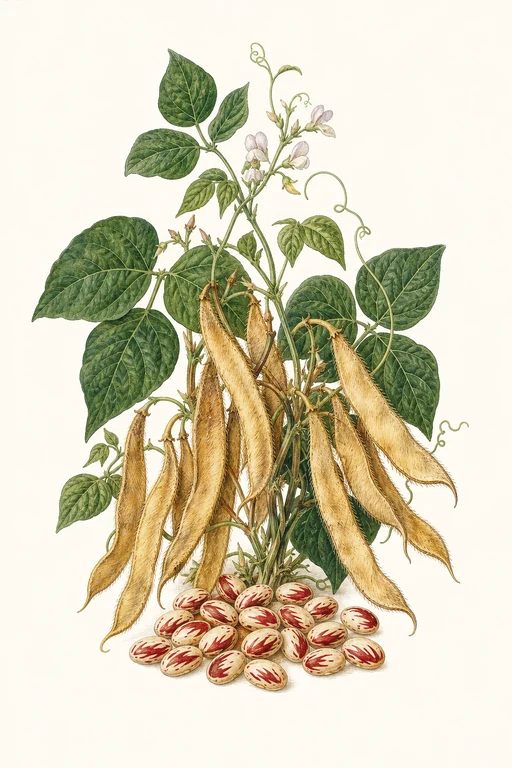
Warm, firetongue-striped beans with a creamy blush base and vivid russet-red streaks—striking on the drying rack and even more captivating when simmered into hearty, velvety dishes.
Borlotto Firetongue delivers a firm, creamy texture with a rich, nutty depth and a gentle, comforting finish. Grow this 90-day dry bean for dependable harvests and bold, heritage color that shines in rustic bowls and slow-cooked favorites.
Light: Full SunMaturity: 90 DaysHabit: Bush
Crop Dates : 7a
| Milestone | Date |
|---|---|
| Start Indoors | Direct Sow |
| Last Frost | Apr 20th |
| Transplant / Sow Outdoors | Apr 20th |
| Harvest Begins | Jul 19th |
| Harvest Ends | Oct 20th |
Crop Details
| Trait | Value |
|---|---|
| Days to Maturity | 90 |
| Sun Requirements | Full Sun |
| Growth Habit | Bush |
| Support Needed | None |
| Planting Depth | Normal |
| Germination Temp (°F) | 60 |
| Min Soil Temp (°F) | 60 |
| Min Night Temp (°F) | 50 |
| Harden Off (days) | Not Required |
Culinary Notes

Chef's Note
Borlotto Firetongue cooks up with a creamy interior while keeping enough firmness to hold shape—perfect for dishes where the broth turns luxuriously thick. Use it in slow, low simmering pots so the nutty, heritage depth blooms instead of thinning out.

Best Uses
- slow-simmered beans for a thick, spoon-coating pot liquor
- Tuscan-style bean ragù to anchor pasta and polenta
- rustic succotash-style bowls without the sweetness distractions
- pureed bean mash for creamy fillings or spreadable sides

Flavor Profile

Frequently Asked Questions
What should I do if my Borlotto Firetongue beans get rust or leaf spotting?
How often should I water Borlotto Firetongue during the main growing phase?
How can I tell when Borlotto Firetongue beans are ready to harvest?
Sowing Tips

Transplant Conditions
Wait until soil reaches 60°F and nights stay above 50°F before moving outdoors.
Expert Note

For the best flavor and low fuss, direct-sow after soil warms and keep beds evenly moist until emergence, then reduce watering once plants are established.