
Boyne
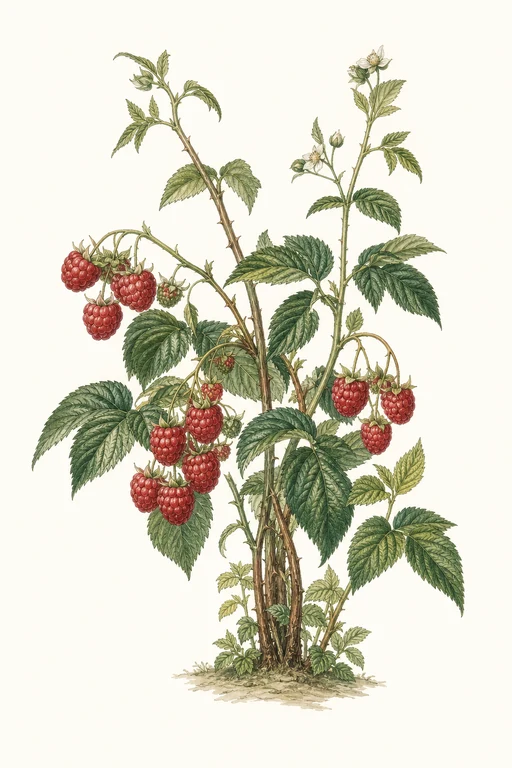
Lush, jewel-bright raspberries of Boyne arrive in a steady, abundant flush—tender berries with a vivid, sweet-tart perfume and a succulent, melt-in-the-mouth texture.
Expect an upright, vigorous habit that makes picking a pleasure, with fruit that shines in the garden and performs beautifully for fresh enjoyment, preserves, and spoonable sauces. Boyne’s balanced flavor makes it a standout choice for gardeners who want a reliable, high-quality raspberry harvest season after season.
Light: Full SunMaturity: 90 DaysHabit: Upright
Planting schedules and alerts are optimized for Columbus (Zone 6b).
Crop Dates
| Milestone | Date |
|---|---|
| Start Indoors | Direct Sow |
| Last Frost | Apr 25th |
| Transplant / Sow Outdoors | Apr 25th |
| Harvest Begins | Jul 24th |
| Harvest Ends | Oct 16th |
Crop Details
| Trait | Value |
|---|---|
| Days to Maturity | 90 |
| Sun Requirements | Full Sun |
| Growth Habit | Upright |
| Support Needed | Trellis |
| Planting Depth | Normal |
| Germination Temp (°F) | 70 |
| Min Soil Temp (°F) | 40 |
| Min Night Temp (°F) | 28 |
| Harden Off (days) | 7 |
Culinary Notes

Chef's Note
Boyne’s melt-soft texture and balanced sweet-tart snap make it shine straight off the spoon, but it’s equally good when you quick-simmer it—long heat dulls that vivid perfume. The flavor sits beautifully against vanilla, dairy, and a squeeze of lemon, so you can keep the build simple and let the berries do the talking.

Best Uses
- fresh-eaten berries with minimal fuss
- spoonable raspberry sauce (quick simmer to keep the perfume)
- jam or preserve where the seeds add pleasant texture
- folding into yogurt or crème fraîche for a tart, creamy contrast

Flavor Profile

Kitchen Pairings
Frequently Asked Questions
Why are my Boyne beets developing dark, powdery spots or mushy patches, and what should I do?
How often should I water Boyne beets during the main growing phase (after seedlings establish)?
How can I tell when Boyne beets are ready to harvest?
Sowing Tips

Transplant Conditions
Wait until soil reaches 40°F and nights stay above 28°F before moving outdoors. Harden off for 7 days first.
Expert Note

Plant raspberries when soil is workable but cool, keep roots consistently moist the first season, and mulch heavily to suppress weeds and protect canes.