
Bristol
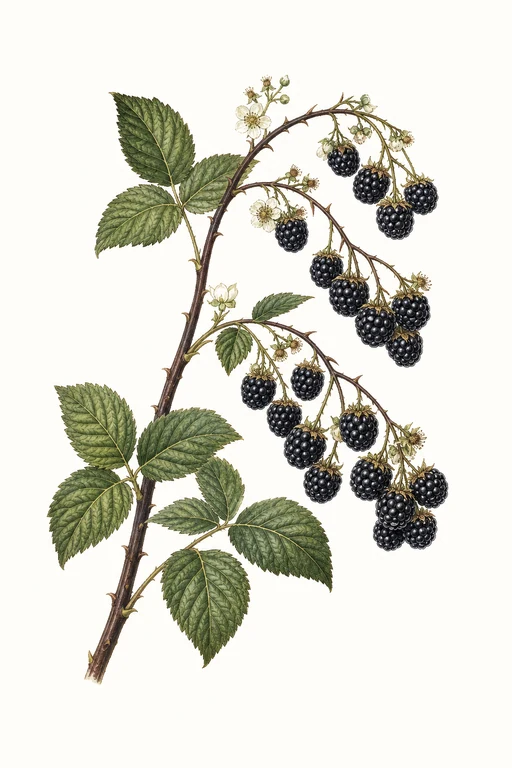
Velvety, inky-black berries of Bristol arrive with a lush, sweet-tart perfume and a delicate, melt-in-the-mouth texture that feels almost satin on the palate.
Each drupelet holds its deep color beautifully, offering a rich, berry-forward flavor that shines in fresh gatherings and becomes especially expressive in preserves, sauces, and desserts. For home gardeners, Bristol is a rewarding 90-day journey to a dark, fragrant harvest—ideal for planting with the confidence of a standout black raspberry.
Light: Full SunMaturity: 90 DaysHabit: Upright
Planting schedules and alerts are optimized for Columbus (Zone 6b).
Crop Dates
| Milestone | Date |
|---|---|
| Start Indoors | Direct Sow |
| Last Frost | Apr 25th |
| Transplant / Sow Outdoors | Apr 25th |
| Harvest Begins | Jul 24th |
| Harvest Ends | Oct 16th |
Crop Details
| Trait | Value |
|---|---|
| Days to Maturity | 90 |
| Sun Requirements | Full Sun |
| Growth Habit | Upright |
| Support Needed | Trellis |
| Planting Depth | Normal |
| Germination Temp (°F) | 65 |
| Min Soil Temp (°F) | 45 |
| Min Night Temp (°F) | 35 |
| Harden Off (days) | Not Required |
Culinary Notes

Chef's Note
Bristol’s drupelets go silky and almost custardy when eaten fresh, so don’t bury them under heavy sweetness. Use its sweet-tart perfume to steer desserts and sauces—one squeeze of lemon or a little vanilla makes the inky berry character pop.

Best Uses
- fresh berries spooned over lightly sweetened yogurt or panna cotta
- stirred into jam or preserves for a darker, more aromatic set
- quick berry sauce for pancakes, waffles, or roasted pork

Flavor Profile

Kitchen Pairings
Frequently Asked Questions
What pest or disease is most likely on Rubus idaeus (raspberry) in home gardens, and how can I control it?
How often should I water my raspberry (Rubus idaeus) during the main growing phase?
How do I tell when Rubus idaeus is ready to harvest?
Sowing Tips

Transplant Conditions
Wait until soil reaches 45°F and nights stay above 35°F before moving outdoors.
Expert Note

Plant black raspberries in full sun with well-drained soil, and establish a new-cane system early because fruiting occurs on second-year canes.