
Broad Leaf Batavian
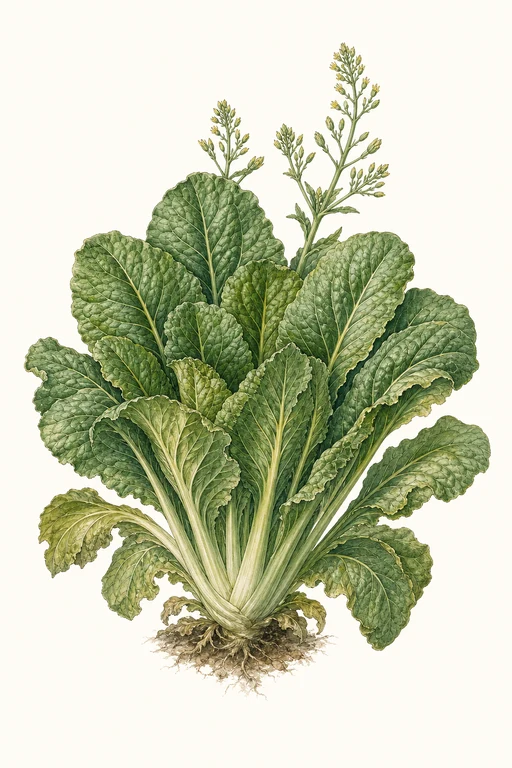
Silken, broad leaves unfurl in a cool-toned rosette, offering a crisp, gently sweet crunch with a pleasantly mellow bitterness.
Broad Leaf Batavian endive forms wide, velvety-textured heads that hold their shape beautifully through the growing season, making every harvest feel abundant and refined. Ideal for fresh salads and elegant platters, it shines when paired with tangy dressings and bright accents—an endive that brings both substance and grace to the garden.
Light: Part SunMaturity: 70 DaysHabit: Rosette
Planting schedules and alerts are optimized for Columbus (Zone 6b).
Crop Dates
| Milestone | Date |
|---|---|
| Start Indoors | Mar 28th |
| Last Frost | Apr 25th |
| Transplant / Sow Outdoors | Apr 25th |
| Harvest Begins | Jul 4th |
| Harvest Ends | Oct 16th |
Crop Details
| Trait | Value |
|---|---|
| Days to Maturity | 70 |
| Sun Requirements | Part Sun |
| Growth Habit | Rosette |
| Support Needed | None |
| Planting Depth | Normal |
| Germination Temp (°F) | 70 |
| Min Soil Temp (°F) | 40 |
| Min Night Temp (°F) | 32 |
| Harden Off (days) | 6 |
Culinary Notes

Chef's Note
Broad Leaf Batavian endive is all about that wide, velvety leaf structure—silky crunch that stays upright even under a tangy dressing, so it won’t turn into sad lettuce soup. Its bitterness is deliberately mellow, which is why it plays so well with sharp citrus and rich, salty partners like Parm and bacon.

Best Uses
- big-leaf salads where the greens need to hold a vinaigrette without collapsing
- shaved endive platters with citrus and crunchy toppings
- lightly dressed endive with tangy emulsions (yogurt, Dijon vinaigrette)
- quick sautés to soften bitterness while keeping a snap

Flavor Profile

Kitchen Pairings
Frequently Asked Questions
How do I prevent and treat downy mildew on Broad Leaf Batavian lettuce?
How often should I water Broad Leaf Batavian during peak growth so it stays crisp?
How can I tell when Broad Leaf Batavian is ready to harvest?
Sowing Tips

Transplant Conditions
Wait until soil reaches 40°F and nights stay above 32°F before moving outdoors. Harden off for 6 days first.
Expert Note

For the mildest, most buttery heart, grow in cool weather and either blanch the inner leaves or cover the plant once it forms a loose head.