
Buckskin
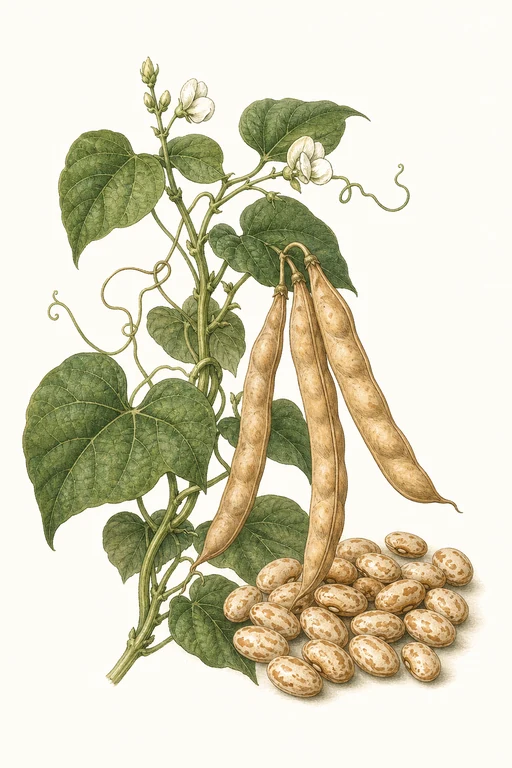
Step into the warm, sunlit charm of Buckskin pinto beans—each pod holds a promise of creamy, buckskin-tan seeds that cook up with a mellow, earthy depth and a silky, tender bite.
The texture is satisfyingly creamy when simmered, yet stays pleasantly intact for hearty potfuls and smooth, spoonable mashes. Grow Buckskin for its dependable, home-garden harvest and its classic pinto character that shines in bean-forward favorites and velvety sauces.
Light: Full SunMaturity: 115 DaysHabit: Bush
Planting schedules and alerts are optimized for Columbus (Zone 6b).
Crop Dates
| Milestone | Date |
|---|---|
| Start Indoors | Direct Sow |
| Last Frost | Apr 25th |
| Transplant / Sow Outdoors | Apr 25th |
| Harvest Begins | Aug 18th |
| Harvest Ends | Oct 16th |
Crop Details
| Trait | Value |
|---|---|
| Days to Maturity | 115 |
| Sun Requirements | Full Sun |
| Growth Habit | Bush |
| Support Needed | None |
| Planting Depth | Normal |
| Germination Temp (°F) | 60 |
| Min Soil Temp (°F) | 55 |
| Min Night Temp (°F) | 50 |
| Harden Off (days) | Not Required |
Culinary Notes

Chef's Note
Buckskin pinto beans have that reliable creamy interior that turns luscious in a long simmer without collapsing—great for pots where you want spoonable, intact beans. For maximum comfort, give them smoke (or rendered pork fat) plus lime at the end so the earthiness pops instead of going flat.

Best Uses
- slow-simmered pinto pot with bacon or smoked fat
- velvety refried-style mashes (stirred for silk, not paste)
- spoonable chili where beans stay intact
- thick bean purée for tacos or layered bowls

Flavor Profile

Frequently Asked Questions
What pest or disease is most common on common beans (Phaseolus vulgaris) like Buckskin, and how can I stop it?
How often should I water Buckskin during the main growing phase to keep it producing?
How do I tell when Buckskin beans (Phaseolus vulgaris) are ready to harvest?
Sowing Tips

Transplant Conditions
Wait until soil reaches 55°F and nights stay above 50°F before moving outdoors.
Expert Note

Plant pinto beans directly once soil is warm—cool soil slows germination and raises rot risk, but once up they’re dependable for dry harvest.