
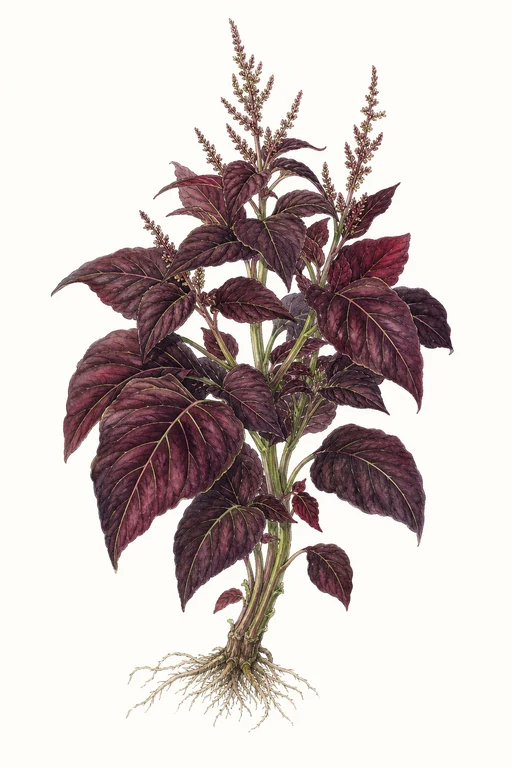
Burgundy Amaranth
Sink your spoon into the rich, velvety allure of Burgundy Amaranth—tender leaves with a deep wine-burgundy glow and a pleasantly earthy, slightly sweet flavor.
Expect lush, succulent texture that holds its body beautifully, ideal for steaming-fresh greens, vibrant sautés, and strikingly colored sauces and pickles. Grow it for a dramatic garden accent and a steady harvest of leafy abundance from mid-summer into fall.
Light: Full SunMaturity: 70 DaysHabit: Upright
Planting schedules and alerts are optimized for Columbus (Zone 6b).
Crop Dates
| Milestone | Date |
|---|---|
| Start Indoors | Direct Sow |
| Last Frost | Apr 25th |
| Transplant / Sow Outdoors | Apr 25th |
| Harvest Begins | Jul 4th |
| Harvest Ends | Oct 16th |
Crop Details
| Trait | Value |
|---|---|
| Days to Maturity | 70 |
| Sun Requirements | Full Sun |
| Growth Habit | Upright |
| Support Needed | None |
| Planting Depth | Normal |
| Germination Temp (°F) | 70 |
| Min Soil Temp (°F) | 60 |
| Min Night Temp (°F) | 55 |
| Harden Off (days) | Not Required |
Culinary Notes

Chef's Note
Burgundy Amaranth leans earthy-sweet with a soft, almost silky leaf texture that won’t disintegrate the way many tender greens do. Use it hot and fast—steamed or sautéed—then let citrus and fat (lemon + butter/olive oil) sharpen the flavor and keep the color vivid.

Best Uses
- quick steam then finish with butter or olive oil for intact, succulent greens
- hot sauté with garlic and chili to tame bitterness and keep it juicy
- blanch-and-drain for thickening or coloring sauces and braises
- vinegar pickling for jewel-toned, tangy leaf bites

Flavor Profile

Kitchen Pairings
Frequently Asked Questions
Why are my Burgundy Amaranth leaves turning yellow or developing dark spots, and what should I do?
How often should I water Burgundy Amaranth during the main growing phase?
How can I tell when Burgundy Amaranth is ready to harvest?
Sowing Tips

Transplant Conditions
Wait until soil reaches 60°F and nights stay above 55°F before moving outdoors.
Expert Note

For best leaf tenderness, keep plants evenly moist and harvest outer leaves regularly once they’re 8–12 inches tall.